
 Dokter Tifa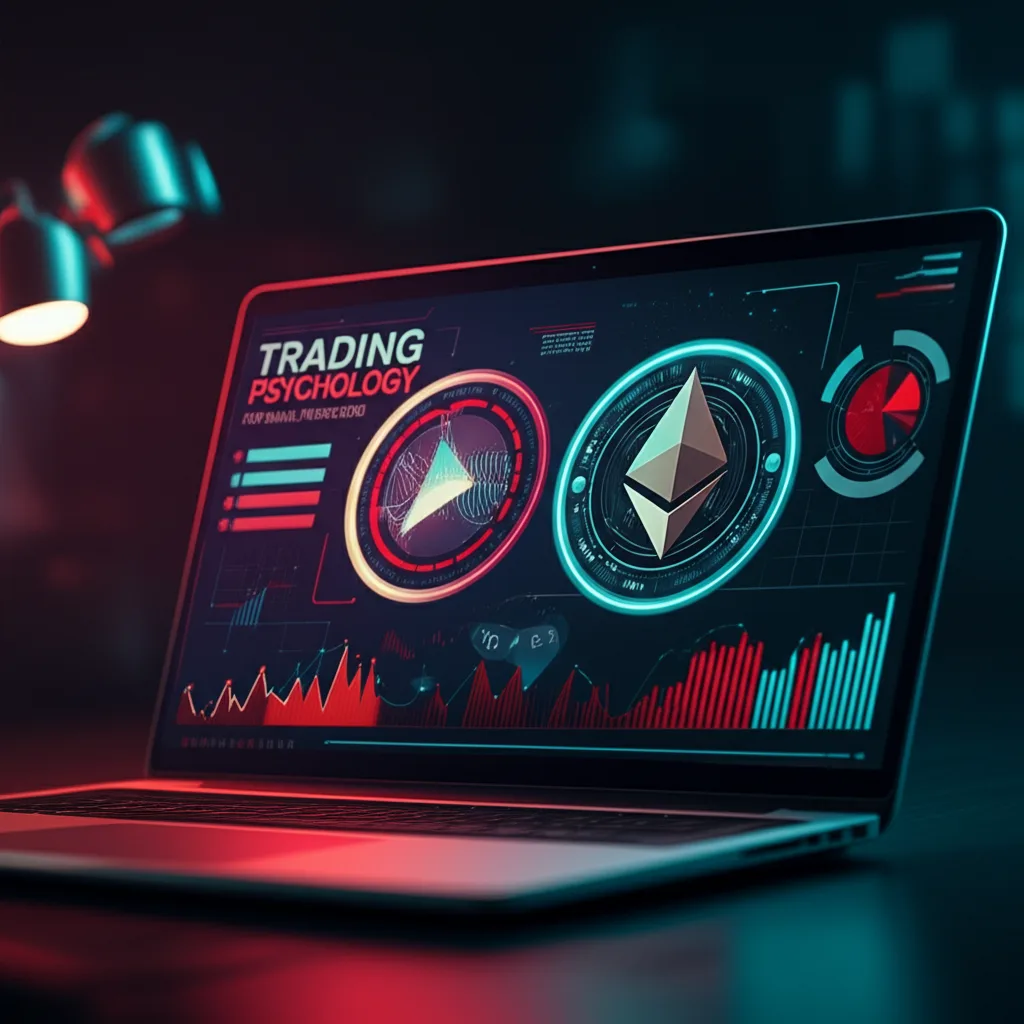
In the dynamic and often tumultuous world of investing, particularly for those with smaller portfolios, the battle isn’t solely against market forces; it’s often an internal struggle. This article delves into the critical role of Trading Psychology for Small Investors , exploring how emotional intelligence, discipline, and a structured mindset can be the defining factors between success and failure in an increasingly complex financial landscape. From the volatility of crypto and digital assets to the evolving nature of Web3 and DeFi, understanding and mastering one’s own psychology is more crucial than ever.
TL;DR
- Emotional Discipline is Key: Master fear, greed, FOMO, and other biases to make rational decisions.
- Develop a Robust Trading Plan: A clear strategy acts as a safeguard against impulsive actions.
- Practice Effective Risk Management: Protect your capital by setting clear stop-losses and position sizes.
- Learn from Every Trade: Journaling helps identify patterns in your behavior and market reactions.
- Stay Informed, Stay Grounded: Understand market cycles, avoid hype, and prioritize long-term goals over short-term gains.
- Embrace Continuous Learning: The markets of 2025, especially digital assets, demand adaptability and knowledge.
Understanding Trading Psychology for Small Investors
For small investors navigating the financial markets of 2025, the psychological hurdles are often magnified. Limited capital means that losses can feel more significant, leading to heightened emotional responses. The rapid advancements in technology, including the proliferation of new digital assets on blockchain networks, have also introduced unprecedented levels of volatility and accessibility, creating both opportunities and pitfalls. Without a strong psychological foundation, even the most promising trading strategies can falter under pressure. This section explores the common mental traps that often ensnare small investors.
Common Psychological Biases Affecting Small Investors
Emotional biases are inherent to human decision-making, and in trading, they can be particularly detrimental. Recognizing these biases is the first step toward mitigating their impact.
The Dual Forces of Fear and Greed
Perhaps the most potent psychological drivers in trading are fear and greed. Fear often manifests as panic selling during market downturns, leading investors to lock in losses rather than weathering the storm. Conversely, greed can push investors to take excessive risks, hold onto winning trades for too long hoping for infinite gains, or over-leverage their positions. For small investors, fear can be amplified by the potential loss of a significant portion of their capital, while greed can be fueled by the desire for quick wealth, especially when observing rapid gains in volatile assets like crypto tokens.
Fear of Missing Out (FOMO)
FOMO is a pervasive issue, particularly in the fast-paced digital asset markets. Seeing others make substantial profits on a trending crypto or a hot stock can trigger an irrational urge to jump in, often at inflated prices, just before a correction. This typically leads to buying high and selling low, a classic mistake. The constant stream of information and social media chatter surrounding Web3 projects and new tokens can exacerbate FOMO, making it challenging for small investors to stick to their own research and strategy.
Confirmation Bias and Anchoring
Confirmation bias leads investors to seek out and interpret information that confirms their existing beliefs, while dismissing contradictory evidence. If a small investor believes a certain stock or digital asset will perform well, they might only read positive news articles and disregard any warnings. Anchoring refers to the tendency to heavily rely on the first piece of information encountered (the "anchor") when making decisions. For instance, if an investor first saw a stock trading at $100, they might consider anything below that a "bargain" even if market fundamentals have drastically changed.
The Sunk Cost Fallacy
This bias involves continuing an endeavor because of already invested resources (time, money, effort), even when it’s clear that continuing is not the best course of action. A small investor might hold onto a losing trade, particularly in a volatile crypto asset, simply because they’ve already lost a significant amount, hoping it will eventually recover, rather than cutting their losses and reallocating capital more effectively.
Strategies for Emotional Discipline and Effective Decision-Making
Overcoming psychological biases requires a proactive approach and consistent effort. Here are practical strategies for small investors in 2025.
1. Develop a Robust Trading Plan
A well-defined trading plan is the cornerstone of disciplined investing. It outlines your entry and exit strategies, risk parameters, asset allocation, and overall goals. For small investors, this plan acts as an objective guide, reducing the likelihood of impulsive decisions driven by fear or greed.
Key Components of a Trading Plan:
- Investment Goals: Clearly defined, realistic objectives.
- Risk Tolerance: How much capital are you willing to lose on a single trade or overall?
- Asset Selection Criteria: What types of assets (stocks, ETFs, crypto, tokens) will you trade, and based on what analysis?
- Entry and Exit Rules: Specific conditions for buying and selling.
- Position Sizing: How much capital to allocate to each trade.
- Stop-Loss and Take-Profit Levels: Automated orders to manage risk and lock in gains.
2. Implement Strict Risk Management Protocols
Effective risk management is paramount, especially for small investors. It’s not about avoiding losses entirely, but about controlling their size. Never risk more than a small percentage of your total capital on any single trade (e.g., 1-2%).
Risk Management Checklist:
- Set Stop-Loss Orders: Crucial for limiting potential losses automatically.
- Determine Position Size: Avoid over-leveraging; ensure each trade won’t significantly impact your total portfolio.
- Diversify Wisely: Don’t put all your capital into one asset, even within the digital asset space (e.g., spread across different crypto sectors).
- Understand Volatility: Be aware of the inherent risks in specific markets, particularly high-volatility assets like new Web3 tokens or DeFi protocols.
3. Cultivate Emotional Intelligence and Self-Awareness
Developing emotional intelligence involves recognizing and understanding your own emotions and how they influence your trading decisions. This includes being honest about your biases and weaknesses.
- Practice Mindfulness: Step away from the screens, take breaks, and avoid constant market checking.
- Journal Your Trades: Document not only the technical details of each trade but also your emotional state before, during, and after. This helps identify recurring psychological patterns.
- Learn from Mistakes: Every loss is a learning opportunity. Analyze what went wrong, whether it was a strategy flaw or an emotional misstep, and adjust your approach.
4. Stay Informed and Adapt to Evolving Markets
The financial landscape of 2025 is constantly evolving. New technologies like blockchain are driving innovation in digital assets, with new crypto and DeFi projects emerging regularly. Staying informed about market trends, technological advancements, and regulatory changes is vital. However, it’s equally important to filter out noise and focus on credible information. Understanding the underlying technology and security aspects of new Web3 platforms can also mitigate risks associated with scams or vulnerabilities.
Navigating the Digital Asset Landscape with a Strong Mindset
The rise of digital assets has presented small investors with unprecedented opportunities for growth, but also unique psychological challenges. The extreme volatility of crypto, combined with the 24/7 nature of these markets, can test even the most disciplined minds.
Volatility and the Crypto Market
The price swings in crypto tokens can be dramatic, often influenced by social media sentiment, news events, and speculative trading. A small investor must develop the psychological resilience to endure these fluctuations without panic-selling at lows or chasing pumps at highs. Focusing on long-term conviction, underpinned by fundamental analysis of the blockchain project, can help maintain perspective.
Security Concerns in Web3 Trading
Beyond price volatility, the Web3 space introduces new security considerations. Small investors need to be psychologically prepared for the possibility of hacks, rug pulls, or smart contract vulnerabilities inherent in some DeFi protocols. This requires a heightened sense of caution, thorough due diligence, and a robust understanding of personal wallet security practices. The psychological impact of losing funds due to security breaches can be devastating, making preventive measures and a resilient mindset critical.
Risk Notes and Disclaimer
Trading in financial markets, especially with volatile assets like crypto and digital tokens, carries a high level of risk and may not be suitable for all investors. You could lose some or all of your invested capital. The value of investments can fluctuate significantly. Before engaging in any trading activities, you should carefully consider your investment objectives, level of experience, and risk appetite. Seek independent financial advice if you have any doubts. This article is for informational purposes only and does not constitute financial advice, investment recommendation, or an endorsement of any particular trading strategy or asset.
Frequently Asked Questions (FAQ)
Q1: What is the biggest psychological challenge for small investors in 2025?
A1: The biggest challenge is often managing emotions like fear and greed, especially given the increased accessibility and volatility of markets, including digital assets. The pressure of limited capital can amplify these emotions, leading to impulsive and irrational decisions.
Q2: How can I avoid FOMO (Fear of Missing Out) when trading crypto or other volatile assets?
A2: To avoid FOMO, stick strictly to your predefined trading plan and risk management rules. Conduct thorough research before investing, focus on long-term goals, and resist the urge to chase parabolic price movements. Remember that opportunities will always arise.
Q3: Is emotional trading ever beneficial?
A3: Generally, no. Emotional trading typically leads to poor decision-making, such as panic selling at lows or buying at market tops. While intuition can play a role, it should be informed by data and experience, not raw emotion. Disciplined, rational decision-making is consistently more effective.
Q4: What role does journaling play in improving trading psychology?
A4: Trading journaling is crucial for self-reflection. By documenting your trades, including your emotional state, you can identify recurring psychological biases, understand what triggers certain behaviors, and objectively analyze your performance to make continuous improvements.
Q5: How can a small investor maintain discipline in a 24/7 market like crypto?
A5: Maintaining discipline in 24/7 markets requires setting clear boundaries. Define your trading hours, avoid constant screen checking, and rely on automated orders (stop-losses, take-profits) to execute your plan when you’re not actively monitoring. Regular breaks are essential for mental well-being.
Q6: What specific mindset shift is needed for trading digital assets in Web3?
A6: For Web3 and digital assets, small investors need a mindset that embraces rapid technological change, understands smart contract risks, prioritizes self-custody security, and is prepared for extreme volatility. A long-term, research-driven perspective on blockchain technology, rather than purely speculative short-term trading, is often more sustainable.
Conclusion
Mastering Trading Psychology for Small Investors is not an option but a necessity. In a world where financial markets are increasingly accessible, complex, and driven by digital innovation, the ability to control one’s emotions, adhere to a disciplined plan, and continuously learn from experience will distinguish successful investors from those who succumb to market pressures. By understanding common biases, implementing robust strategies, and approaching the evolving landscape of digital assets with a resilient mindset, small investors can navigate the challenges and seize the opportunities that lie ahead. The journey to becoming a consistently profitable investor begins and ends with mastering the mind.







 Rifan Muazin
 Egi Sujana
 Gus Nur