
 Rismon Sianipar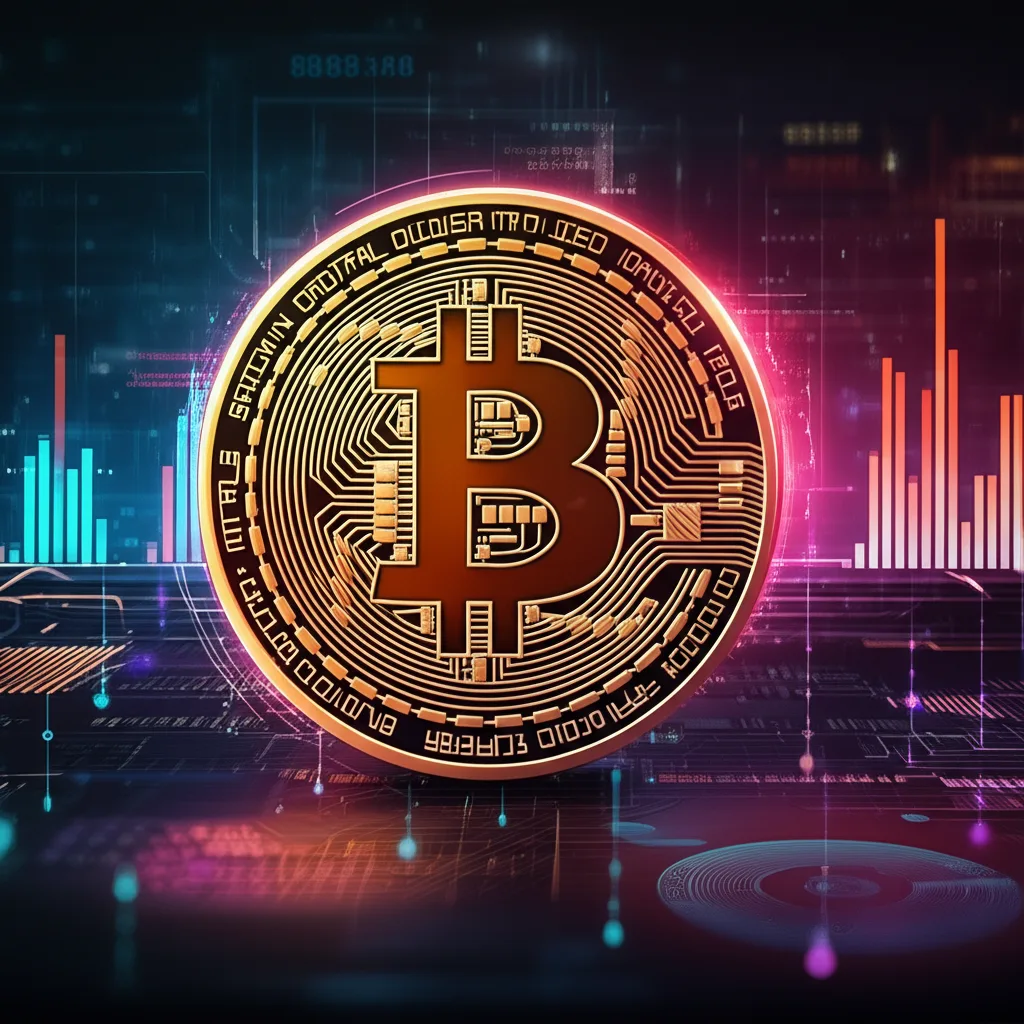
Bitcoin Ordinals have emerged as a fascinating and somewhat controversial development in the crypto space, and the integration of automated bots into their creation and trading promises to reshape the landscape by 2025. This article delves into the world of Bitcoin Ordinals, exploring what they are, how they work, the impact of automation, and what the future holds for this innovative use of the Bitcoin blockchain. We’ll also touch on the risks and considerations associated with this burgeoning technology.
TL;DR:
- Bitcoin Ordinals allow inscription of data, like images and videos, onto individual satoshis (the smallest unit of Bitcoin).
- Automation, through bots, streamlines the process of minting, trading, and managing Ordinals.
- Benefits include increased efficiency and accessibility, but also potential for market manipulation.
- The Ordinals market is volatile and carries risks, including technical challenges and regulatory uncertainty.
- By 2025, expect greater sophistication in both Ordinals technology and the automated bots used to interact with them.
- Understanding the security implications of using bots with your crypto wallet is crucial.
What are Bitcoin Ordinals and How Do They Work?
Bitcoin Ordinals, also known as digital artifacts inscribed on satoshis, represent a novel approach to leveraging the Bitcoin blockchain for more than just monetary transactions. Introduced in early 2023 by Casey Rodarmor, the Ordinals protocol allows users to inscribe data – images, text, videos, and more – directly onto individual satoshis, the smallest unit of Bitcoin (0.00000001 BTC).
Traditionally, Bitcoin transactions only recorded the transfer of value between addresses. Ordinals, however, utilize the Taproot upgrade, which introduced a scripting language that enables more complex data storage and retrieval. This is achieved by assigning a unique serial number to each satoshi, allowing users to track and identify specific satoshis on the blockchain. By inscribing data onto these numbered satoshis, users create "digital artifacts" that are permanently linked to the Bitcoin blockchain.
The process involves:
- Assigning Ordinal Numbers: Each satoshi is assigned a unique number based on the order in which it was mined.
- Inscribing Data: Using a specific protocol, data is inscribed onto a chosen satoshi. This data is then permanently stored on the Bitcoin blockchain.
- Transferring Ordinals: The inscribed satoshi can be transferred like any other Bitcoin, with the inscribed data traveling along with it.
Unlike NFTs on other blockchains, Ordinals exist directly on the Bitcoin blockchain, benefiting from its inherent security and decentralization. This fundamental difference sets them apart and fuels much of the debate surrounding their value and purpose within the broader crypto ecosystem.
The Rise of Automated Bots in the Bitcoin Ordinals Ecosystem
Automated bots are rapidly becoming integral to the Bitcoin Ordinals landscape. These bots automate various tasks, from minting and trading to managing portfolios and monitoring market trends. Their rise is driven by the desire for efficiency, speed, and accessibility in a market that can be complex and time-consuming to navigate manually. By 2025, the functionality and prevalence of these bots are projected to expand significantly.
Key functions of automated Ordinals bots include:
- Minting: Bots can automatically mint Ordinals based on pre-defined criteria, such as specific image types or rare satoshi properties. This allows users to participate in new Ordinals launches without constant manual monitoring.
- Trading: Bots can execute buy and sell orders based on price thresholds, technical indicators, and other market signals. This enables automated trading strategies and potentially faster response times to market fluctuations.
- Data Analysis: Bots can track Ordinals prices, volume, and other relevant data, providing users with valuable insights into market trends and investment opportunities.
- Portfolio Management: Bots can help manage Ordinals portfolios, tracking performance, rebalancing holdings, and generating reports.
- Rare Satoshi Identification: Identifying and acquiring rare satoshis, such as those from the genesis block, is made easier with automated bot scanning capabilities.
The advantages of using these bots are clear:
- Efficiency: Automate repetitive tasks, saving time and effort.
- Speed: React quickly to market changes and execute trades faster than humans.
- Accessibility: Lower the barrier to entry for those unfamiliar with the technical aspects of Ordinals.
- Data-Driven Decisions: Make more informed trading decisions based on real-time data analysis.
Benefits and Drawbacks of Automated Ordinals Trading
While automated bots offer significant advantages, it’s crucial to acknowledge the potential drawbacks. Understanding both the benefits and risks is essential for anyone considering using these tools in the Bitcoin Ordinals market.
Benefits:
- 24/7 Operation: Bots can trade and manage Ordinals around the clock, even when users are offline.
- Emotional Detachment: Bots execute trades based on pre-defined rules, eliminating emotional biases that can lead to poor decisions.
- Backtesting: Many bots allow users to backtest their strategies on historical data to assess their potential profitability.
- Diversification: Bots can manage multiple Ordinals portfolios simultaneously, allowing for greater diversification.
Drawbacks:
- Technical Complexity: Setting up and configuring bots can be challenging for beginners.
- Security Risks: Granting bots access to crypto wallets poses security risks, especially if the bot is compromised or malicious. This includes the potential for key leakage, where private keys become exposed.
- Market Manipulation: Large-scale bot activity can potentially manipulate the Ordinals market, creating artificial price swings and unfair advantages.
- Dependence on Code: Bot performance relies heavily on the quality of the code and the accuracy of the underlying data.
- Potential for Errors: Bugs or errors in the bot’s code can lead to unintended trades and financial losses.
The Future of Bitcoin Ordinals and Automated Trading Bots by 2025
By 2025, we can anticipate significant advancements in both Bitcoin Ordinals technology and the sophistication of automated bots used to interact with them. Expect to see:
- More Sophisticated Bots: Bots will likely incorporate artificial intelligence (AI) and machine learning (ML) to analyze market trends, predict price movements, and optimize trading strategies.
- Improved Security Measures: Developers will likely implement more robust security measures to protect users’ funds and prevent bot manipulation. Multi-signature wallets and more sophisticated API key management are likely to become standard.
- Integration with DeFi: Ordinals may become integrated with decentralized finance (DeFi) platforms, allowing users to borrow, lend, and stake their inscribed satoshis. Bots could automate these DeFi interactions.
- Greater Accessibility: User-friendly interfaces and simplified configuration processes will make Ordinals and automated trading bots more accessible to a wider audience.
- Regulatory Clarity (Potentially): As the crypto market matures, regulatory bodies may provide clearer guidelines on the treatment of Ordinals and automated trading, impacting their legality and use.
Risks and Considerations
Investing in Bitcoin Ordinals and using automated bots involves inherent risks:
- Market Volatility: The Ordinals market is highly volatile, and prices can fluctuate dramatically.
- Technical Risks: Technical issues with the Bitcoin network or the Ordinals protocol can impact the value and functionality of inscribed satoshis.
- Security Risks: As mentioned above, using bots exposes users to security risks, including the potential for theft or loss of funds.
- Regulatory Uncertainty: The regulatory landscape for Ordinals is still evolving, and future regulations could negatively impact their value and use.
- Smart Contract Risk: If Ordinals interact with smart contracts, there’s always the risk of bugs or vulnerabilities that could lead to losses.
- Bot Malfunction: Bots are programmed by humans and can contain errors or be subject to malicious attacks.
Disclaimer: This article is for informational purposes only and does not constitute financial advice. Investing in crypto assets, including Bitcoin Ordinals, carries significant risks. Always do your own research and consult with a qualified financial advisor before making any investment decisions.
FAQ About Bitcoin Ordinals and Automated Bots
-
Q: Are Bitcoin Ordinals NFTs?
A: No, while they share similarities, Ordinals are not technically NFTs. NFTs are typically stored off-chain and reference data, while Ordinals are inscribed directly onto individual satoshis on the Bitcoin blockchain. This fundamental difference impacts their permanence and security.
-
Q: Are automated Ordinals trading bots safe to use?
A: The safety of using automated bots depends on several factors, including the reputation of the bot developer, the security measures implemented, and the user’s own security practices. Thoroughly research and choose reputable bots with strong security features, and always use a separate wallet for bot trading to limit potential losses.
-
Q: What are the potential tax implications of trading Bitcoin Ordinals?
A: The tax implications of trading Ordinals vary depending on your jurisdiction. Consult with a tax professional to understand the specific rules and regulations in your area. Generally, profits from trading crypto assets are subject to capital gains taxes.
-
Q: Can I create my own Bitcoin Ordinals?
A: Yes, you can create your own Ordinals by inscribing data onto satoshis using the Ordinals protocol. There are several tools and services available that simplify the process. However, it requires technical knowledge and understanding of the Bitcoin blockchain.
-
Q: How do I find reputable automated Ordinals trading bots?
A: Look for bots with positive reviews, transparent development teams, and strong security measures. Consider factors like the bot’s performance history, customer support, and pricing. Check community forums and online reviews to gather information and compare different options.
-
Q: What is the long-term viability of Bitcoin Ordinals?
A: The long-term viability of Bitcoin Ordinals is still uncertain. Their future depends on factors such as adoption by the crypto community, development of new use cases, and regulatory developments. While they represent an interesting innovation, their long-term success is not guaranteed.
Conclusion
Bitcoin Ordinals represent a fascinating evolution of the Bitcoin blockchain, opening up new possibilities for storing and trading digital assets. The integration of automated bots promises to further streamline and enhance the Ordinals ecosystem, but it’s crucial to approach this technology with caution and awareness of the associated risks. By 2025, Bitcoin Ordinals: What You Need to Know With Automated Bots will likely be even more relevant as the technology matures and becomes more widely adopted. Careful research, responsible security practices, and a clear understanding of the market dynamics are essential for anyone looking to participate in the burgeoning world of Bitcoin Ordinals.






 Rifan Muazin
 Egi Sujana
 Gus Nur
 Dokter Tifa