
 Egi Sujana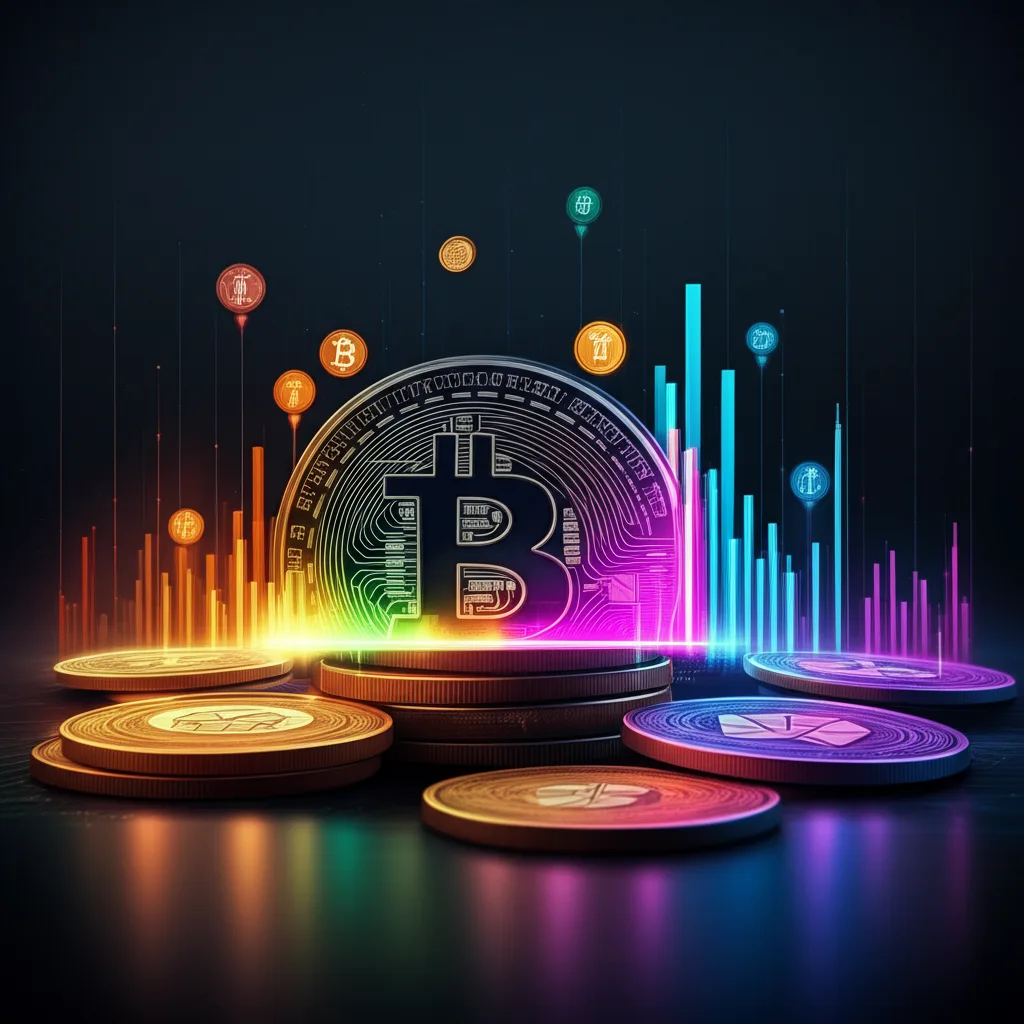
The decentralized landscape of Web3 continues its rapid evolution, driven by innovative token standards and increasingly sophisticated tools. At the heart of this revolution are ERC-20 and ERC-721 tokens, each serving distinct yet crucial roles in the blockchain ecosystem. ERC-20 tokens, representing fungible assets like cryptocurrencies and utility tokens, form the backbone of decentralized finance (DeFi) and digital currencies. In contrast, ERC-721 tokens, or Non-Fungible Tokens (NFTs), underpin unique digital assets such as art, collectibles, and virtual land, ushering in new paradigms of digital ownership and creative expression. As these token standards mature, so too do the tools and applications designed to manage, secure, and leverage them, with Artificial Intelligence (AI) emerging as a transformative force. This article delves into the best ERC-20 vs ERC-721 tools and apps, highlighting how AI integration is revolutionizing their functionality, offering users unparalleled insights, automation, and security in 2025 and beyond.
TL;DR
- ERC-20 Tokens: Fungible, used for currency, utility, governance. Tools focus on trading, DeFi, portfolio management, security, often enhanced by AI for predictive analytics and automation.
- ERC-721 Tokens: Non-fungible (unique), used for NFTs, digital collectibles, ownership. Tools focus on creation, marketplaces, analytics, gaming, benefiting from AI for generative art, rarity scoring, and fraud detection.
- AI Integration: Revolutionizes both categories by improving efficiency, security, decision-making, and user experience through features like smart contract auditing, market prediction, personalized recommendations, and automated strategies.
- Key Differences in Tooling: ERC-20 tools prioritize financial metrics and liquidity, while ERC-721 tools emphasize authenticity, provenance, and unique asset value.
Understanding ERC-20 and ERC-721 Tokens: The Foundation of Digital Assets
Before exploring the tools, it’s essential to grasp the fundamental differences between these two prominent Ethereum token standards.
ERC-20 Tokens: The Fungible Standard
ERC-20 defines a common set of rules for fungible tokens on the Ethereum blockchain. "Fungible" means that each token is identical to another, interchangeable, and has the same value. Think of it like fiat currency: one dollar bill is worth the same as any other dollar bill.
- Use Cases: Cryptocurrencies (e.g., DAI, LINK, UNI), utility tokens for platform access, governance tokens in DAOs, stablecoins, and wrapped tokens.
- Characteristics: Divisible, interchangeable, represents a quantity rather than a unique item.
ERC-721 Tokens: The Non-Fungible Standard
ERC-721, conversely, defines a standard for non-fungible tokens (NFTs). "Non-fungible" means that each token is unique and cannot be replaced by another. Each ERC-721 token has a distinct identifier and represents a singular asset.
- Use Cases: Digital art, collectibles (e.g., CryptoPunks, Bored Ape Yacht Club), in-game items, virtual real estate, digital identities, certificates of authenticity.
- Characteristics: Unique, indivisible, represents ownership of a specific, rare asset.
The distinct nature of these tokens naturally leads to different tooling requirements, which AI is now profoundly influencing across the Web3 landscape.
The Rise of AI in Blockchain Tooling: A Paradigm Shift
Artificial Intelligence is no longer just a futuristic concept; it’s actively shaping the way we interact with blockchain technology. For both ERC-20 and ERC-721 tokens, AI tools are enhancing functionality in critical areas:
- Predictive Analytics: Forecasting market trends, price movements, and liquidity shifts.
- Security & Auditing: Identifying vulnerabilities in smart contracts, detecting fraudulent activities, and enhancing transaction security.
- Automation: Automating trading strategies, portfolio rebalancing, and even generative content creation.
- Personalization: Tailoring user experiences in marketplaces and dApps.
- Data Analysis: Extracting actionable insights from vast amounts of on-chain data.
These AI-powered capabilities are making blockchain applications more efficient, secure, and accessible for a wider range of users, from seasoned crypto traders to new NFT collectors.
Best ERC-20 Tools and Apps with AI Integration
ERC-20 tokens are the lifeblood of DeFi and digital trading. AI tools here are designed to optimize financial strategies, enhance security, and provide deeper market insights.
DeFi Platforms & Decentralized Exchanges (DEXs)
AI is being integrated into DEXs and DeFi protocols to optimize liquidity provision, predict impermanent loss, and identify arbitrage opportunities.
- Examples: Uniswap, PancakeSwap, Curve Finance. While not explicitly "AI apps," third-party tools leverage AI to analyze their data.
- AI Use: Bots and analytics platforms use AI to analyze liquidity pools, predict optimal entry/exit points for yield farming, and manage positions more efficiently, minimizing risks for liquidity providers.
Portfolio Trackers & Analytics Tools
Monitoring multiple ERC-20 assets across various wallets and protocols is complex. AI simplifies this by providing predictive insights and risk assessments.
- Examples: Zapper, DeBank, Nansen, Dune Analytics (with AI-driven dashboards).
- AI Use: AI algorithms track whale movements, identify emerging trends in DeFi protocols, predict potential liquidations, and offer personalized risk scores for portfolios. Nansen, for instance, uses AI to categorize wallet activities and identify significant on-chain events.
Security & Smart Contract Auditing Tools
The security of ERC-20 smart contracts is paramount. AI-powered tools are becoming indispensable for proactive vulnerability detection.
- Examples: CertiK Skynet, MythX, OpenZeppelin Defender (integrating AI for anomaly detection).
- AI Use: AI scans smart contract code for common vulnerabilities, reentrancy attacks, and logical flaws far more efficiently than manual audits. It can also monitor live contracts for suspicious activity and provide real-time alerts, significantly bolstering security for users and projects.
Automated Trading Bots & Strategy Platforms
For active traders, AI-driven bots offer sophisticated strategies that can react to market changes faster than humans.
- Examples: 3Commas, Shrimpy, Pionex (often incorporating AI/ML for strategy optimization).
- AI Use: These platforms employ AI to analyze historical data, market sentiment, and technical indicators to execute trades automatically. They can optimize strategies for different market conditions, perform arbitrage, and manage risk parameters, making crypto trading more accessible and potentially profitable.
Best ERC-721 Tools and Apps With AI Tools
The unique nature of ERC-721 tokens requires a different set of tools, focusing on creation, ownership, authenticity, and market valuation. AI is profoundly impacting these areas.
NFT Marketplaces & Aggregators
AI is transforming how users discover, trade, and secure NFTs on marketplaces.
- Examples: OpenSea, Rarible, Magic Eden, LooksRare (many are beginning to integrate AI features).
- AI Use: AI provides personalized NFT recommendations based on user preferences and past activity, detects potential wash trading or fraudulent listings, and can predict the future value of certain collections. Some platforms use AI for dynamic pricing models or to identify rare attributes within collections.
NFT Creation & Generative Art Tools
AI is democratizing NFT creation, allowing artists and even non-artists to generate unique digital assets.
- Examples: Midjourney, DALL-E 3, Artbreeder, NightCafe (platforms that can generate images suitable for minting as NFTs).
- AI Use: These tools use advanced generative AI models to create unique digital art, images, and even entire collections based on textual prompts or existing inputs. This allows for rapid iteration and the creation of visually stunning and diverse NFTs, pushing the boundaries of digital creativity.
NFT Analytics & Rarity Tools
Understanding the value and rarity of an NFT is crucial. AI tools provide deep insights into the rapidly evolving NFT market.
- Examples: Rarity.tools, NFTGo, DappRadar (many offer AI-enhanced rarity scoring and market insights).
- AI Use: AI algorithms analyze metadata, trait rarity, sales history, and social sentiment to provide comprehensive rarity scores and valuation estimates for NFTs. They can also detect market manipulation, identify emerging collections, and track "smart money" movements within the NFT space, offering collectors a significant edge.
Gaming & Metaverse Platforms
ERC-721 tokens are central to in-game assets and virtual land ownership. AI enhances the functionality and user experience within these immersive environments.
- Examples: Decentraland, The Sandbox, Axie Infinity (AI is used for dynamic content, asset management, and virtual economy optimization).
- AI Use: AI can generate dynamic in-game content, optimize virtual economies by predicting supply and demand for NFT assets, and even power NPC behaviors. For players, AI tools can help analyze NFT asset performance, predict value changes for virtual land, and identify optimal strategies for in-game trading and asset utilization.
Key Differences in Tooling Approach
The divergence in purpose between ERC-20 and ERC-721 tokens naturally leads to distinct AI tooling strategies:
- ERC-20 Tools: Primarily focus on financial metrics, liquidity, trading efficiency, risk management, and the underlying utility of tokens. AI enhances quantitative analysis, predictive modeling for price and volume, and security against financial exploits.
- ERC-721 Tools: Concentrate on authenticity, provenance, uniqueness, creative expression, and community engagement. AI is leveraged for qualitative analysis, generative content, rarity assessment, fraud detection, and enhancing the discovery and ownership experience of unique digital assets.
While both benefit from AI-driven security and data analysis, the specific applications of AI are tailored to their respective token functionalities.
Challenges and Considerations for 2025
As we look towards 2025, the integration of AI with blockchain tools presents both immense opportunities and significant challenges:
- Scalability & Interoperability: Ensuring AI tools can efficiently process vast amounts of data across different blockchains remains a hurdle.
- Regulatory Scrutiny: The evolving regulatory landscape for crypto and NFTs, combined with AI’s impact, could introduce new compliance requirements.
- Ethical AI: Ensuring fairness, transparency, and preventing bias in AI algorithms used for valuation, recommendations, or security is critical.
- Security Risks: While AI enhances security, sophisticated AI could also be weaponized for new forms of attacks, necessitating continuous vigilance and advanced AI-driven defenses.
- User Adoption: Making these powerful AI tools accessible and understandable for a broader, less technical audience is crucial for mainstream Web3 adoption.
Risk Note and Disclaimer
Engaging with ERC-20 and ERC-721 tokens and their associated AI tools carries inherent risks. The cryptocurrency and NFT markets are highly volatile, subject to rapid price fluctuations, and susceptible to various forms of fraud, including phishing, rug pulls, and smart contract vulnerabilities. AI tools, while powerful, are not infallible and rely on algorithms that can have biases or errors. Regulatory environments are uncertain and can change rapidly, impacting the value and legality of digital assets.
Disclaimer: This article is for informational purposes only and does not constitute financial, investment, or legal advice. The information provided is general in nature and does not consider your specific objectives, financial situation, or needs. Always conduct your own thorough research and consult with a qualified professional before making any investment decisions. The use of blockchain and AI technologies involves significant risks, and you could lose money.
FAQ Section
Q1: What’s the fundamental difference between ERC-20 and ERC-721 tokens?
A1: ERC-20 tokens are fungible, meaning each token is identical and interchangeable (like currency). ERC-721 tokens are non-fungible, meaning each token is unique and represents a singular, distinct asset (like a piece of art).
Q2: How does AI enhance ERC-20 token management and trading?
A2: AI significantly improves ERC-20 management by offering predictive market analytics, optimizing DeFi strategies (e.g., liquidity provision, yield farming), automating trading through bots, and enhancing smart contract security through vulnerability detection and real-time monitoring.
Q3: What are AI tools primarily used for with ERC-721 tokens (NFTs)?
A3: For ERC-721 tokens, AI tools are crucial for generative art creation, providing rarity scoring and valuation insights, detecting market manipulation and fraud on marketplaces, and offering personalized recommendations for NFT discovery.
Q4: Are these AI-powered blockchain tools safe to use?
A4: While AI tools aim to enhance security and efficiency, no system is entirely risk-free. Users should exercise caution, research the reputation of tools, understand the underlying technology, and be aware of smart contract risks. Always use reputable platforms and be wary of suspicious links or offers.
Q5: What should I look for in an AI-powered blockchain tool in 2025?
A5: In 2025, look for tools with a strong track record of security, transparent AI methodologies, clear documentation, active community support, and robust integration with relevant blockchain networks. Prioritize tools that offer verifiable data sources and customizable risk parameters.
Q6: Can AI help prevent scams in the NFT space?
A6: Yes, AI can play a crucial role in preventing NFT scams by analyzing transaction patterns to detect wash trading, identifying suspicious listings, flagging impersonator accounts, and assessing the authenticity of digital assets based on their metadata and on-chain history. However, vigilance from users remains paramount.
Conclusion
The journey through the best ERC-20 vs ERC-721 tools and apps with AI tools reveals a dynamic and rapidly evolving landscape. Both token standards are fundamental to the Web3 ecosystem, yet they serve distinct purposes: ERC-20 tokens drive the financial liquidity and utility of decentralized applications, while ERC-721 tokens pioneer digital ownership and creative expression. Artificial Intelligence is the catalyst that is profoundly enhancing the capabilities of tools across both spectrums. From AI-driven predictive analytics and automated trading strategies for ERC-20 tokens to generative art, rarity analysis, and fraud detection for ERC-721 assets, AI is making the management, security, and utilization of digital assets more intelligent and efficient. As we move further into 2025 and beyond, the symbiotic relationship between blockchain token standards and advanced AI will continue to unlock unprecedented possibilities, shaping the future of finance, art, and digital interaction in the decentralized world.





 Rifan Muazin
 Gus Nur
 Dokter Tifa