
 Rismon Sianipar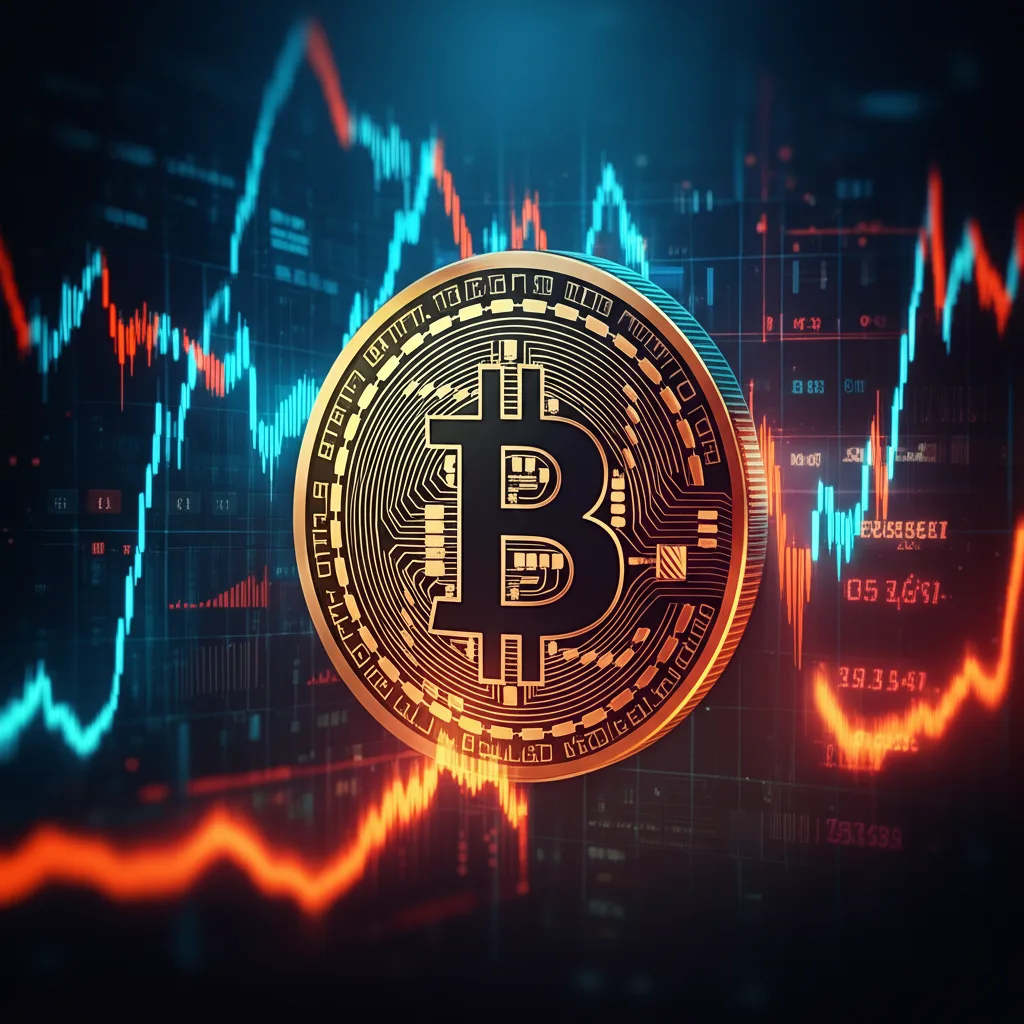
Bitcoin, the pioneering cryptocurrency, has captured the imagination of investors worldwide. The allure of potentially high returns has led many to consider including it in their retirement portfolios. However, before diving in, it’s crucial to understand the risks of Bitcoin investing (and how to reduce them), particularly when planning for your financial future. This article provides a comprehensive overview of these risks and practical strategies to mitigate them, helping you make informed decisions about incorporating Bitcoin into your retirement strategy.
TL;DR:
- Bitcoin offers potential for high returns but comes with significant risks.
- Volatility, regulatory uncertainty, and security threats are major concerns.
- Diversification, risk assessment, and secure storage are crucial risk management strategies.
- Consult a financial advisor before making any investment decisions.
- Consider the long-term implications for your retirement goals.
Understanding the Volatility Risks of Bitcoin Investing
One of the most significant concerns associated with Bitcoin is its extreme volatility. Unlike traditional assets, Bitcoin’s price can fluctuate dramatically in short periods. This volatility stems from various factors, including market sentiment, regulatory announcements, technological developments, and even social media trends.
- Example: In 2021, Bitcoin reached an all-time high of nearly $69,000, only to plummet to around $16,000 in 2022, demonstrating its inherent volatility.
- Impact on Retirement: Such volatility can be particularly damaging to retirement portfolios, especially if you’re nearing retirement and need to access your funds. A sudden price drop could significantly reduce your savings.
- Mitigation: To mitigate volatility risk, consider dollar-cost averaging (DCA), where you invest a fixed amount of money at regular intervals, regardless of the price. This strategy helps to smooth out the average purchase price and reduce the impact of short-term fluctuations. Another approach is to allocate only a small percentage of your retirement portfolio to Bitcoin, ensuring that any losses won’t significantly impact your overall financial security.
Regulatory and Legal Risks Associated with Crypto
The regulatory landscape surrounding Bitcoin and other cryptocurrencies is still evolving. Governments worldwide are grappling with how to classify and regulate these digital assets. This uncertainty creates regulatory risk, which can impact Bitcoin’s price and its viability as a long-term investment.
- Example: Potential regulatory changes, such as stricter KYC/AML (Know Your Customer/Anti-Money Laundering) requirements or outright bans in certain countries, could negatively affect Bitcoin’s value.
- Impact on Retirement: If regulations become unfavorable, it could lead to decreased liquidity or even force you to liquidate your Bitcoin holdings at a loss.
- Mitigation: Stay informed about regulatory developments in your jurisdiction and globally. Diversify your crypto holdings across different digital assets and platforms, as some may be more resilient to regulatory changes than others. Consider using reputable crypto exchanges that comply with regulatory standards.
Security Risks and Custodial Challenges of Bitcoin
Bitcoin, as a digital asset, is susceptible to security threats, including hacking, theft, and fraud. These risks are particularly relevant when considering Bitcoin for retirement planning, as you need to ensure the long-term security of your assets.
- Example: Crypto exchanges and wallets have been targeted by hackers, resulting in the loss of millions of dollars worth of Bitcoin. Individual users are also vulnerable to phishing scams and malware attacks.
- Impact on Retirement: Losing your Bitcoin due to a security breach can be devastating, especially if it represents a significant portion of your retirement savings.
- Mitigation:
- Cold Storage: Store your Bitcoin in a cold wallet (offline hardware wallet) to minimize the risk of hacking.
- Two-Factor Authentication (2FA): Enable 2FA on all your crypto accounts.
- Strong Passwords: Use strong, unique passwords and avoid reusing passwords across different platforms.
- Beware of Phishing: Be cautious of suspicious emails, messages, or websites that ask for your private keys or login credentials.
- Reputable Exchanges: Only use reputable crypto exchanges with robust security measures.
Liquidity Risks in the Bitcoin Market
While Bitcoin is becoming more liquid, it’s still less liquid than traditional assets like stocks or bonds. This means it may be more difficult to buy or sell Bitcoin quickly at a desired price, especially during periods of market stress.
- Example: During a market crash, the bid-ask spread (the difference between the highest price a buyer is willing to pay and the lowest price a seller is willing to accept) can widen significantly, making it more costly to trade Bitcoin.
- Impact on Retirement: If you need to access your Bitcoin holdings quickly during retirement, you may be forced to sell at a less favorable price, reducing your overall returns.
- Mitigation: Be aware of the liquidity risks and plan accordingly. Consider using limit orders instead of market orders to ensure you buy or sell Bitcoin at a specific price. Also, avoid investing in illiquid Bitcoin-related products or projects.
The Environmental Impact of Bitcoin Mining
Bitcoin mining, the process of verifying transactions and adding new blocks to the blockchain, requires significant amounts of energy. This energy consumption has raised concerns about Bitcoin’s environmental impact, particularly its contribution to carbon emissions.
- Example: Bitcoin mining consumes more electricity than some entire countries. While efforts are being made to use renewable energy sources, a significant portion of mining still relies on fossil fuels.
- Impact on Retirement: While the direct financial impact might be limited, environmental concerns can influence public perception and regulatory scrutiny, potentially affecting Bitcoin’s long-term value. Many investors are now considering ESG (Environmental, Social, and Governance) factors when making investment decisions.
- Mitigation: Support Bitcoin mining projects that use renewable energy sources. Consider investing in alternative cryptocurrencies that use more energy-efficient consensus mechanisms, such as Proof-of-Stake (PoS).
The Future of Web3 and Bitcoin in 2025 and Beyond
While the risks are undeniable, the potential of Bitcoin and the broader Web3 ecosystem for the future is significant. By 2025, we can expect further development and adoption of blockchain technology, potentially leading to increased utility and stability for Bitcoin.
- Example: Innovations in DeFi (Decentralized Finance) and other Web3 applications could drive demand for Bitcoin as a store of value and a medium of exchange.
- Mitigation: Staying informed about these developments will allow you to adapt your investment strategy and capitalize on emerging opportunities while remaining mindful of the risks. Remember that predictions are not guarantees, and thorough research is always paramount.
How to Reduce The Risks of Bitcoin Investing For Retirement Planning
To minimize the risks associated with Bitcoin investing for retirement, consider the following strategies:
- Diversification: Don’t put all your eggs in one basket. Allocate only a small portion of your retirement portfolio to Bitcoin, diversifying across other asset classes like stocks, bonds, and real estate.
- Risk Assessment: Determine your risk tolerance and investment time horizon. Bitcoin is generally more suitable for investors with a higher risk tolerance and a longer investment horizon.
- Secure Storage: Use cold storage (hardware wallets) and strong security measures to protect your Bitcoin from theft or hacking.
- Dollar-Cost Averaging (DCA): Invest a fixed amount of money at regular intervals to smooth out the average purchase price and reduce the impact of volatility.
- Stay Informed: Keep up-to-date with regulatory developments, market trends, and technological advancements in the crypto space.
- Consult a Financial Advisor: Seek professional advice from a qualified financial advisor who can help you assess your risk tolerance and develop a suitable investment strategy.
Risk Note: Investing in Bitcoin and other cryptocurrencies involves significant risks, including the potential for loss of capital. The value of digital assets can fluctuate wildly, and past performance is not indicative of future results.
Disclaimer: This article is for informational purposes only and does not constitute financial advice. Always conduct thorough research and consult with a qualified financial advisor before making any investment decisions.
FAQ: Bitcoin and Retirement Planning
- Q: Is Bitcoin a suitable investment for retirement?
A: Bitcoin can be a potential investment for retirement, but it’s crucial to understand the risks involved. It’s best suited for investors with a higher risk tolerance and a longer investment horizon. - Q: How much of my retirement portfolio should I allocate to Bitcoin?
A: A general guideline is to allocate a small percentage (e.g., 1-5%) of your retirement portfolio to Bitcoin, depending on your risk tolerance and investment goals. - Q: What are the tax implications of investing in Bitcoin for retirement?
A: Bitcoin is generally treated as property for tax purposes. Profits from selling Bitcoin are subject to capital gains taxes. Consult a tax professional for specific advice. - Q: How can I securely store my Bitcoin for retirement?
A: Use a cold wallet (hardware wallet) to store your Bitcoin offline. Enable two-factor authentication (2FA) on all your crypto accounts and use strong, unique passwords. - Q: What are the potential benefits of including Bitcoin in my retirement portfolio?
A: Potential benefits include diversification, inflation hedge, and the opportunity for high returns. However, these benefits come with significant risks.
Conclusion: Navigating The Risks of Bitcoin Investing (and How to Reduce Them) For Retirement Planning
The risks of Bitcoin investing (and how to reduce them) are critical considerations when incorporating this digital asset into your retirement plan. While Bitcoin offers the potential for substantial gains, its volatility, regulatory uncertainty, and security risks cannot be ignored. By implementing the risk management strategies outlined in this article – including diversification, secure storage, and staying informed – you can mitigate these risks and make more informed decisions about whether Bitcoin is right for your retirement portfolio. Remember to always consult with a financial advisor to tailor your investment strategy to your specific needs and risk tolerance. Planning wisely now will give you a better chance of reaching your long-term financial goals.







 Rifan Muazin
 Egi Sujana
 Gus Nur
 Dokter Tifa