
 Gus Nur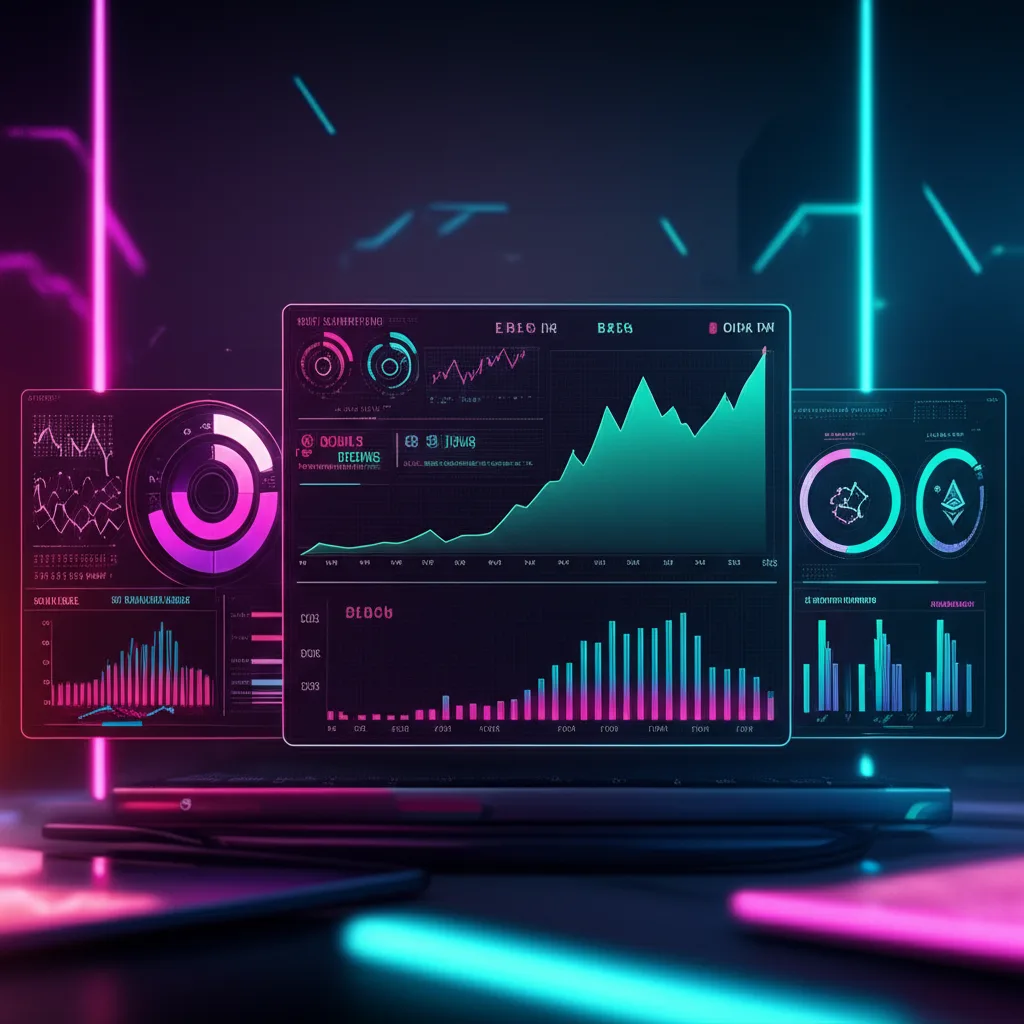
The world of decentralized finance (DeFi) offers unprecedented opportunities for financial autonomy and growth, yet its complexity can be daunting, especially for small investors navigating the labyrinth of decentralized exchanges (DEXs). As we look towards 2025, the need for intuitive tools to manage digital assets across various blockchain networks becomes paramount. This article explores how Defi Dashboards for Small Investors Using Dexs are becoming indispensable, empowering individuals to track, analyze, and optimize their crypto investments with clarity and confidence. We’ll delve into their essential features, benefits, and how they simplify the often-intricate landscape of Web3 finance, ensuring even those with modest portfolios can thrive.
TL;DR
- DeFi dashboards consolidate all your digital assets, including tokens, NFTs, and liquidity positions, across multiple DEXs and blockchain networks into one view.
- They provide real-time performance analytics, ROI tracking, and impermanent loss calculations, aiding in informed decision-making.
- Key features include multi-chain compatibility, comprehensive asset tracking, security measures (read-only access), and user-friendly interfaces.
- These tools are crucial for small investors to manage risk, optimize yield farming, monitor lending/borrowing health, and simplify tax reporting.
- While enhancing user experience, investors must remain aware of underlying DeFi risks and exercise caution.
The Evolving Landscape of DeFi for Small Investors in 2025
The DeFi ecosystem has matured significantly, moving beyond its experimental phase into a robust financial infrastructure. By 2025, the proliferation of layer-2 solutions and alternative blockchain networks like Polygon, Arbitrum, Optimism, and Solana has dramatically reduced transaction costs and increased throughput, making DeFi more accessible to small investors. Decentralized exchanges (DEXs) like Uniswap, PancakeSwap, and Curve Finance are at the heart of this revolution, allowing users to trade digital assets directly from their wallets without intermediaries.
However, this rapid expansion also brings complexity. Investors might hold assets across several chains, participate in various liquidity pools on different DEXs, or have multiple lending/borrowing positions. Manually tracking these diverse investments is not only time-consuming but also prone to errors, hindering effective portfolio management. This is where the power of comprehensive dashboards becomes evident, offering a unified portal to the entire Web3 financial journey.
Why Defi Dashboards for Small Investors Using Dexs are Essential
For small investors, every decision, every gas fee, and every percentage point of yield matters. Defi Dashboards for Small Investors Using Dexs are no longer a luxury but a fundamental tool for success in this dynamic environment. They serve as a centralized command center, streamlining operations and providing critical insights.
Centralized Portfolio Tracking
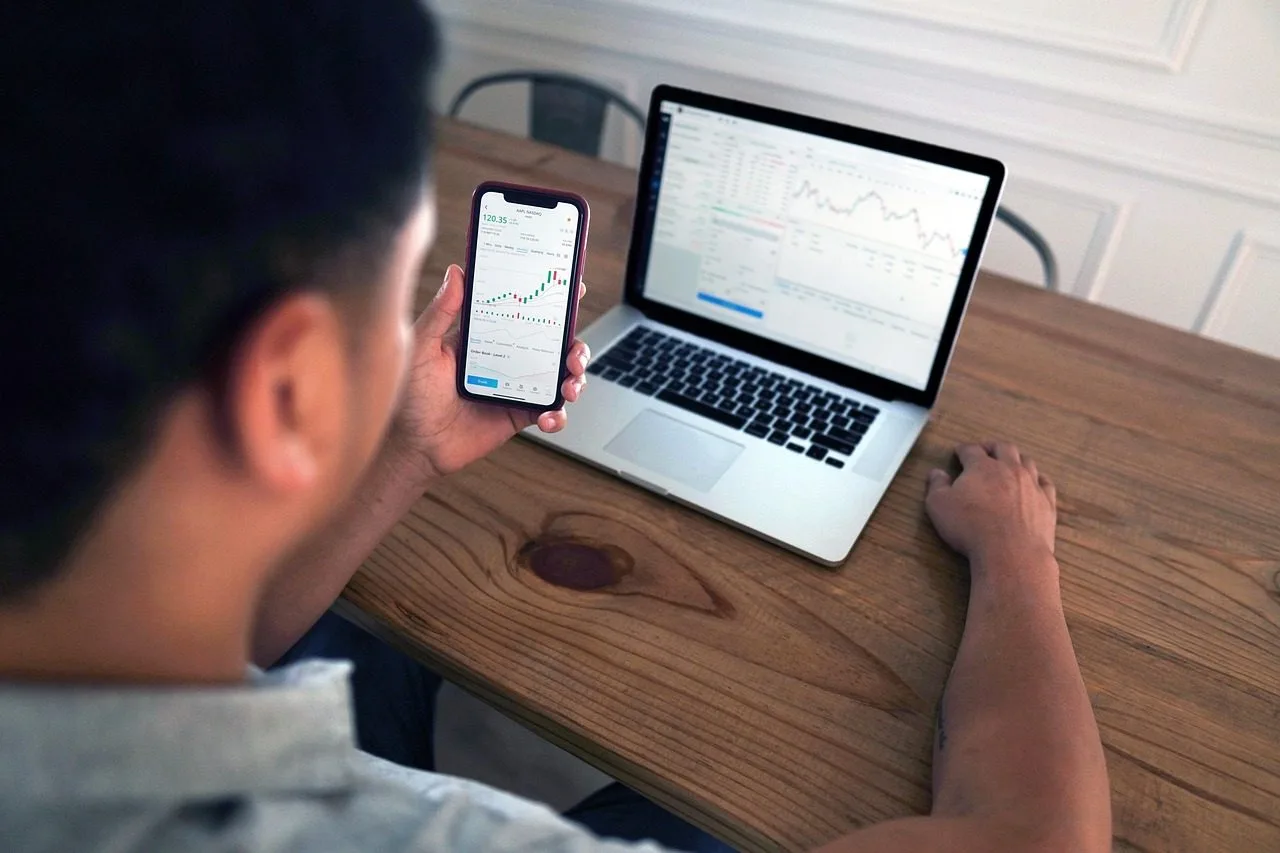
Imagine having funds spread across Ethereum, Binance Smart Chain, and Avalanche, participating in a yield farm on Uniswap, providing liquidity on PancakeSwap, and borrowing against collateral on Aave. A DeFi dashboard aggregates all these positions. It connects to your non-custodial wallets (via secure, read-only connections) and pulls data from various smart contracts, presenting a holistic view of your total portfolio value, individual asset allocations, and even your NFT collection. This consolidation eliminates the need to manually check multiple platforms, saving precious time and reducing cognitive load.
Enhanced Decision Making
Real-time data is the lifeblood of effective trading and investment. Dashboards provide up-to-the-minute valuations, historical performance charts, and key metrics such as Impermanent Loss (IL) for liquidity providers. Some advanced dashboards even offer gas fee estimates, projected yields, and comparisons between different investment opportunities. This data-driven approach allows small investors to make more informed decisions, whether it’s rebalancing a portfolio, adjusting a liquidity position, or identifying optimal staking opportunities.
Risk Management and Security Insights
DeFi is not without its risks. Dashboards can play a crucial role in managing them by providing transparency. For instance, if you’ve borrowed funds, the dashboard will display your health factor, alerting you to potential liquidation risks if the value of your collateral drops. While dashboards themselves don’t eliminate smart contract risks or rug pulls, they can often integrate data about audited protocols or provide warnings about less reputable projects, adding a layer of security awareness. Most importantly, they connect in a read-only mode, meaning they cannot initiate transactions or move your funds, thereby enhancing overall security.
Key Features to Look for in a DeFi Dashboard
Choosing the right dashboard is crucial. Here are the essential features small investors should prioritize:
Multi-Chain Compatibility
The ideal dashboard should support a wide array of blockchain networks where DEXs operate, including Ethereum, Polygon, Binance Smart Chain (BSC), Arbitrum, Optimism, Avalanche, and Fantom. This ensures all your scattered assets are covered.
Comprehensive Asset Tracking
Beyond basic token balances, look for dashboards that track:
- Liquidity Pool (LP) Positions: Shows your share, current value, and estimated impermanent loss.
- Staking & Yield Farming: Displays staked amounts, accumulated rewards, and APY.
- Lending & Borrowing: Details collateral, debt, health factor, and interest rates.
- NFTs: Visual display and valuation of your non-fungible tokens.
- Vaults & Aggregators: Integration with platforms like Yearn Finance or Beefy Finance.
Performance Analytics
Robust analytics are key. Features like Return on Investment (ROI), Profit & Loss (P&L) statements, historical performance charts, and customizable timeframes allow you to assess the effectiveness of your strategies. Some dashboards even offer tax reporting features, consolidating transaction data for easier compliance.
Transaction History & Export
A detailed log of all your on-chain transactions, categorized by wallet and protocol, is invaluable. The ability to export this data (e.g., CSV format) is essential for record-keeping and tax purposes.
User Interface and Experience
A clean, intuitive, and beginner-friendly interface is paramount. Information should be easily digestible, with clear visualizations and simple navigation. Overly complex dashboards can defeat the purpose of simplification.
Security Measures
Prioritize dashboards that emphasize security. They should primarily offer read-only access to your wallet data. Always use official links and be wary of requests for private keys or seed phrases, which legitimate dashboards will never ask for. WalletConnect and MetaMask connections should be standard, allowing you to connect securely without sharing sensitive information.
How Small Investors Can Leverage These Tools with DEXs
DeFi dashboards empower small investors to engage with DEXs and the broader DeFi ecosystem more strategically.
Streamlining Yield Farming and Staking
Yield farming and staking on DEXs involve providing liquidity or locking up tokens to earn rewards. Dashboards simplify this by showing:
- Consolidated Rewards: See all your accumulated rewards from various pools and protocols in one place.
- Impermanent Loss Monitoring: Crucially, dashboards can estimate impermanent loss, helping you decide whether to adjust or exit an LP position.
- APY Comparisons: Some dashboards integrate tools to compare APYs across different DEXs and pools, guiding you to better opportunities.
Managing Lending and Borrowing Protocols
Platforms like Aave and Compound allow users to lend crypto for interest or borrow against their holdings. Dashboards track your collateral, borrowed amount, interest accrued, and most importantly, your "health factor." A low health factor indicates a risk of liquidation, and the dashboard can provide timely alerts, allowing you to add more collateral or repay debt to avoid losing your assets.
Simplifying Tax Reporting
Tracking individual transactions across multiple DEXs and blockchains for tax purposes is a monumental task. Dashboards consolidate this data, often allowing you to export a comprehensive transaction history. While not tax advice, this feature significantly reduces the administrative burden, making it easier to comply with local regulations.
Risk Notes and Disclaimer
Investing in DeFi and using DEXs carries significant risks. The value of crypto assets is highly volatile and can fluctuate dramatically. Smart contract vulnerabilities, rug pulls, impermanent loss in liquidity pools, and regulatory uncertainties are inherent risks. While DeFi dashboards enhance visibility and management, they do not mitigate these underlying risks. Always conduct thorough due diligence (DYOR) on any protocol or asset before investing.
Disclaimer: This article is for informational purposes only and does not constitute financial, investment, or legal advice. All investment decisions should be made with the advice of a qualified professional and after thorough personal research and risk assessment.
FAQ Section
Q1: What exactly is a DeFi dashboard?
A: A DeFi dashboard is a web-based or mobile application that aggregates and displays all your decentralized finance (DeFi) assets and positions across various blockchain networks and protocols (like DEXs, lending platforms, yield farms) in a single, unified interface. It connects to your non-custodial wallets (e.g., MetaMask) in a read-only capacity to track your holdings.
Q2: Are these dashboards free to use, or do they cost money?
A: Many popular DeFi dashboards offer a free tier with core features like portfolio tracking. Some advanced features, such as deeper analytics, historical data access, or multi-wallet support, may be offered through premium subscription plans. It’s always best to check the specific pricing model of each dashboard.
Q3: How do dashboards connect to my wallet without compromising security?
A: DeFi dashboards typically connect to your wallet using secure protocols like WalletConnect or directly through browser extensions (e.g., MetaMask). This connection is usually "read-only," meaning the dashboard can view your public wallet address and transaction history but cannot initiate transactions, move funds, or access your private keys. Your assets remain securely in your wallet.
Q4: Can I execute trades or make investments directly from a DeFi dashboard?
A: While most DeFi dashboards are primarily for tracking and analysis, some are evolving to integrate trading functionalities. By 2025, it’s expected that more dashboards will offer direct integration with DEXs, allowing users to execute swaps or manage liquidity positions without leaving the dashboard interface, though this feature might be premium.
Q5: What are the main risks associated with using DeFi dashboards?
A: The primary risks include potential data inaccuracies if the dashboard experiences technical issues or relies on faulty data feeds. There’s also a risk of phishing attacks if you connect your wallet to a malicious or fake dashboard. Always ensure you are using the official website of a reputable dashboard. While the dashboards themselves are read-only, the underlying DeFi protocols still carry risks like smart contract bugs or impermanent loss.
Q6: How will DeFi dashboards evolve by 2025 to better serve small investors?
A: By 2025, DeFi dashboards are expected to become even more sophisticated and user-friendly. This will likely include enhanced AI-driven insights for personalized investment strategies, deeper integration with emerging blockchain networks and Layer 2 solutions, improved tax reporting tools, and potentially more direct interaction capabilities with DEXs and DeFi protocols, all while maintaining a strong focus on security and simplified user experience for small investors.
Conclusion
The journey through decentralized finance can be complex, but it doesn’t have to be overwhelming, especially for small investors utilizing DEXs. As we move further into 2025, the role of robust and intuitive dashboards will only grow in importance. By consolidating information, providing real-time analytics, and offering critical risk management tools, Defi Dashboards for Small Investors Using Dexs are empowering a new generation of participants in the digital economy. These tools are transforming how individuals interact with their crypto portfolios, enabling greater transparency, control, and ultimately, a more confident and strategic approach to navigating the opportunities within the ever-expanding Web3 landscape.


 Rifan Muazin
 Egi Sujana
 Dokter Tifa