 Egi Sujana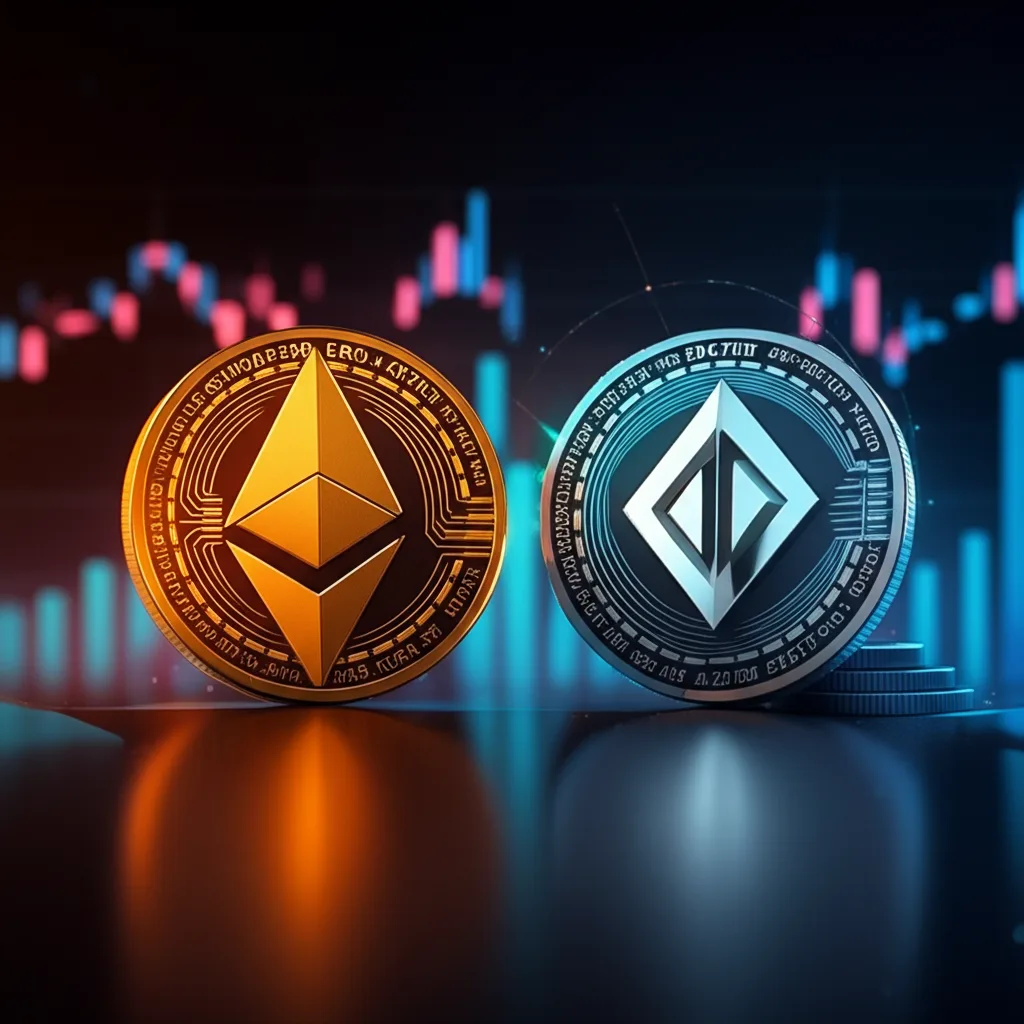
The world of digital assets, powered by blockchain technology, offers a myriad of opportunities, but navigating its complexities can be daunting, especially for small investors. Understanding the fundamental building blocks of this ecosystem, such as token standards, is crucial for making informed decisions. This comprehensive guide aims to demystify two of the most prevalent token standards on the Ethereum blockchain: ERC-20 and ERC-721. We will delve into their core differences, explore their unique applications, and provide practical insights tailored specifically to the needs and considerations of small investors looking to engage with crypto and Web3. By the end of this article, you will have a clearer picture of the implications of Erc-20 Vs Erc-721 for Small Investors and how each fits into a potential digital asset portfolio.
TL;DR: ERC-20 Vs ERC-721 at a Glance
- ERC-20 Tokens: Are fungible, meaning each token is identical and interchangeable with another of the same type (like fiat currency). They are typically divisible and used for currencies, utility, and governance within decentralized finance (DeFi) ecosystems. Highly liquid and widely adopted.
- ERC-721 Tokens: Are non-fungible, meaning each token is unique and distinct from every other token. They are indivisible and represent singular, provably unique digital assets such as art, collectibles, or gaming items (NFTs). Generally less liquid, with value often subjective.
- For Small Investors: ERC-20s often offer lower entry points and higher liquidity for trading, while ERC-721s present opportunities for unique asset ownership but come with higher risk due to subjective valuation and potential illiquidity. Your choice depends on your investment goals, risk tolerance, and interest in specific digital assets.
Understanding Token Standards: ERC-20 Explained
ERC-20, or Ethereum Request for Comment 20, is a technical standard used for all fungible tokens on the Ethereum blockchain. Its primary characteristic is fungibility, which means that every ERC-20 token of a specific type is identical and interchangeable with any other token of the same type. Think of it like a dollar bill; one dollar bill is worth the same as any other dollar bill. This interchangeability is fundamental to their utility as a medium of exchange.
Key Characteristics of ERC-20 Tokens:
- Fungibility: Each token is identical and interchangeable. If you have 10 AAVE tokens, they are precisely the same as any other 10 AAVE tokens.
- Divisibility: ERC-20 tokens can be divided into smaller units, much like how a dollar can be broken into cents. This allows for fractional ownership and precise transaction amounts.
- Standard Interface: The ERC-20 standard defines a common set of functions and events that all compatible tokens must implement. This standardization ensures that these tokens can interact seamlessly with various wallets, exchanges, and decentralized applications (dApps) across the Ethereum network, enhancing their liquidity and usability.
Common Use Cases for ERC-20 Tokens:
- Cryptocurrencies and Stablecoins: Many popular cryptocurrencies beyond Ether itself are ERC-20 tokens, such as Chainlink (LINK), Uniswap (UNI), and Aave (AAVE). Stablecoins like Tether (USDT) and USD Coin (USDC), which are pegged to the value of fiat currencies, are also predominantly ERC-20 tokens, providing a stable medium for trading within the volatile crypto market.
- Utility Tokens: These tokens grant holders access to specific services or features within a dApp or platform. For example, a gaming platform might use an ERC-20 token for in-game purchases or rewards.
- Governance Tokens: These tokens confer voting rights to their holders, allowing them to participate in the decision-making process of a decentralized autonomous organization (DAO) or a DeFi protocol. Examples include Maker (MKR) and Compound (COMP).
Advantages for Small Investors:
ERC-20 tokens often represent a more accessible entry point into the crypto market for small investors due to their high liquidity and widespread adoption. They are easier to trade on numerous exchanges, and the fungible nature means you can typically buy small, fractional amounts. Their value is usually tied to the utility of the underlying project, market supply and demand, and the broader crypto market sentiment.
Navigating Uniqueness: ERC-721 Explained
In stark contrast to ERC-20, ERC-721 tokens represent unique, non-fungible assets on the Ethereum blockchain. Each ERC-721 token, commonly known as a Non-Fungible Token (NFT), is distinct and cannot be replaced by another. If ERC-20 tokens are like identical dollar bills, ERC-721 tokens are like unique pieces of art – each with its own specific value, history, and characteristics.
Key Characteristics of ERC-721 Tokens:
- Non-Fungibility: Every ERC-721 token is unique and has a distinct identifier, making it impossible to interchange one for another. This uniqueness is what gives NFTs their value.
- Indivisibility: Generally, ERC-721 tokens cannot be broken down into smaller units. You either own the whole token or you don’t. While fractional ownership of NFTs exists, it’s typically achieved through wrapping the NFT in an ERC-20 token, not by directly dividing the ERC-721 itself.
- Provable Scarcity and Ownership: The blockchain immutably records the ownership history and unique properties of each ERC-721 token, providing irrefutable proof of authenticity and ownership.
Common Use Cases for ERC-721 Tokens:
- Digital Art and Collectibles: This is perhaps the most well-known application, with projects like CryptoPunks, Bored Ape Yacht Club, and generative art collections gaining significant traction. These NFTs represent ownership of unique digital images, videos, or audio files.
- Gaming Assets: In blockchain-based games, in-game items like characters, weapons, and virtual land can be represented as ERC-721 tokens, allowing players to truly own and trade their digital possessions.
- Digital Identity and Certificates: NFTs can be used to represent unique digital identities, academic degrees, professional certifications, or even event tickets, offering verifiable proof of authenticity.
- Tokenized Real-World Assets (RWAs): Increasingly, unique physical assets like real estate deeds or luxury goods are being tokenized as ERC-721s, linking digital ownership to physical items, streamlining verification and transfer processes.
Advantages for Small Investors:
ERC-721 tokens can offer small investors the opportunity to own unique digital assets, participate in emerging Web3 cultures, and potentially benefit from significant appreciation if a particular NFT becomes highly desirable or culturally significant. They provide direct, verifiable ownership in a way that traditional digital files cannot.
Erc-20 Vs Erc-721 for Small Investors: Key Differences and Implications
Understanding the core differences between these two token standards is paramount for small investors evaluating their options. The table below highlights the crucial distinctions and their implications.
| Feature | ERC-20 (Fungible Tokens) | ERC-721 (Non-Fungible Tokens) | Implications for Small Investors |
|---|---|---|---|
| Fungibility | Identical, interchangeable | Unique, distinct | ERC-20s are like cash; ERC-721s are like unique art pieces. Impacts how they are valued and traded. |
| Uniqueness | No intrinsic uniqueness | Each token is one-of-a-kind | ERC-721 value is often driven by scarcity, provenance, and subjective desirability. |
| Divisibility | Yes, can be broken into smaller units | No (generally, but fractional NFTs exist via ERC-20 wrappers) | ERC-20 allows for smaller investments; ERC-721 typically requires purchasing the whole item. |
| Interchangeability | Yes | No | ERC-20s are easily traded; ERC-721s require a specific buyer for a specific item. |
| Use Cases | Currencies, utility, governance, stablecoins | Art, collectibles, gaming assets, identity, RWAs | ERC-20s are for financial transactions and platform utility; ERC-721s are for verifiable ownership of unique assets. |
| Liquidity (general) | High | Lower | ERC-20s are easier to buy/sell quickly; ERC-721s may take longer to find a buyer at a desired price. |
| Value Driver | Utility, adoption, supply/demand, project success | Scarcity, desirability, historical significance, community, artist reputation | ERC-20 value is often more objectively tied to market forces; ERC-721 value can be highly subjective and speculative. |
Implications for Small Investors:
- Risk Profile: While both carry inherent crypto market volatility, ERC-20s face risks related to project failure, market competition, and inflation. ERC-721s, in addition to general market risks, face significant illiquidity risk, subjective valuation challenges, and potential for rapid shifts in trend or desirability.
- Investment Horizon: ERC-20 tokens can be suitable for both short-term trading (due to liquidity) and long-term holding (for utility or governance). ERC-721s are often more suited for a longer-term, speculative hold, as finding a buyer and realizing value can take time.
- Accessibility: ERC-20 tokens are generally more accessible for small capital, allowing for diversification across multiple projects. Many high-value ERC-721s have a higher barrier to entry, though entry-level NFTs do exist.
- Market Trends (2025): Looking towards 2025, both ERC-20 and ERC-721 tokens are expected to remain foundational within the evolving Web3 landscape. We anticipate continued innovation in DeFi leveraging ERC-20s, with increasing institutional interest in tokenized real-world assets. For ERC-721s, growth is projected in gaming, digital identity, and intellectual property management, moving beyond just digital art. Small investors should observe these trends to identify emerging opportunities and understand how the underlying blockchain infrastructure adapts.
Navigating Risks and Making Informed Decisions
Investing in digital assets, whether ERC-20 or ERC-721, comes with inherent risks. It is crucial for small investors to approach this space with caution and a commitment to continuous learning.
General Crypto Risks:
- Market Volatility: Digital asset prices can fluctuate wildly and rapidly.
- Regulatory Changes: The regulatory landscape for crypto is still evolving, and new laws could impact asset values.
- Security Risks: Wallets and exchanges can be vulnerable to hacks, and smart contracts can have bugs.
- Scams and Fraud: The space is unfortunately rife with "rug pulls," phishing scams, and fraudulent projects.
Specific ERC-20 Risks:
- Project Failure: The success of an ERC-20 token is often tied directly to the success and adoption of the underlying project or protocol.
- Competition: The market for utility and governance tokens is highly competitive, and new projects can quickly displace existing ones.
Specific ERC-721 Risks:
- Illiquidity: Finding a buyer for a unique NFT at a desired price can be challenging, especially for lesser-known collections.
- Subjective Valuation: The value of an NFT is often highly subjective and driven by community sentiment, cultural trends, and perceived rarity, making it difficult to predict.
- Intellectual Property Rights: Owning an NFT typically grants ownership of the token, not necessarily the underlying intellectual property (copyright, trademark) of the artwork or content.
- Gas Fees: Minting and trading NFTs often incur higher gas fees on the Ethereum network compared to simple ERC-20 transfers, especially during periods of high network congestion.
Disclaimer: Investing in digital assets carries significant risks, including the potential loss of principal. The information provided in this article is for informational purposes only and does not constitute financial advice. It is essential to conduct your own thorough research (DYOR) and consider your personal financial situation, risk tolerance, and investment goals. Always consult with a qualified financial professional before making any investment decisions.
Frequently Asked Questions (FAQ)
Q1: Can I convert an ERC-20 token to an ERC-721 token?
No, you cannot directly convert an ERC-20 token into an ERC-721 token, as they represent fundamentally different types of digital assets (fungible vs. non-fungible). However, some platforms or protocols might allow you to "wrap" an ERC-721 token into an ERC-20 token to enable fractional ownership or specific DeFi applications, but this is a different process.
Q2: Which token standard is "better" for small investors?
Neither is inherently "better"; they serve different purposes and suit different investment strategies. ERC-20 tokens generally offer higher liquidity and lower entry points, suitable for those looking to trade or participate in DeFi. ERC-721 tokens offer unique asset ownership and potential for high returns but come with higher risks due to illiquidity and subjective valuation. Your choice should align with your specific goals and risk appetite.
Q3: Are NFTs (ERC-721) only for art?
Absolutely not. While digital art is a prominent use case, ERC-721 tokens are increasingly used for gaming assets, virtual land, digital identities, event tickets, certifications, and even the tokenization of real-world assets like real estate or luxury goods. The potential applications are vast and growing.
Q4: How do gas fees differ for ERC-20 and ERC-721 transactions?
Transaction costs (gas fees) on the Ethereum blockchain depend on the complexity of the smart contract interaction. Minting or transferring an ERC-721 token often involves more complex operations than a simple ERC-20 transfer, leading to generally higher gas fees, especially during periods of network congestion.
Q5: What should a small investor consider before buying either an ERC-20 or ERC-721 token?
Before investing, small investors should consider:
- Project fundamentals: What problem does the project solve? Who is the team? What is its roadmap?
- Market capitalization and liquidity: How widely traded is it?
- Community and adoption: Is there an active community?
- Personal interest: Are you genuinely interested in the utility (ERC-20) or the unique asset (ERC-721)?
- Risk tolerance: How much are you willing to lose?
Q6: Will ERC-20 and ERC-721 tokens remain relevant in 2025?
Yes, both ERC-20 and ERC-721 tokens are fundamental building blocks of the Ethereum ecosystem and the broader Web3 space. Their relevance is expected to continue, and even grow, as blockchain technology matures and finds new applications. Innovations like scaling solutions (Layer 2s) will likely enhance their usability and reduce transaction costs, further solidifying their positions by 2025 and beyond.
Conclusion: Strategic Insights for Small Investors
The journey into the world of digital assets requires a clear understanding of its foundational elements. The distinction between ERC-20 and ERC-721 tokens lies at the heart of how different digital assets function and are valued. While ERC-20 tokens offer fungible, liquid opportunities often tied to the utility and governance of blockchain projects, ERC-721 tokens provide unique, non-fungible ownership of digital collectibles, art, and other distinct assets.
For small investors, the choice between these two token standards, or a combination thereof, should be a strategic one. It depends heavily on individual investment goals, risk tolerance, and the desire for liquidity versus unique asset ownership. Both categories present distinct opportunities and challenges within the ever-evolving blockchain and Web3 landscape. By diligently researching, understanding the underlying technology, and managing risks effectively, small investors can navigate the complexities of Erc-20 Vs Erc-721 for Small Investors to build a diversified and informed digital asset portfolio. As the digital economy matures, both token standards will undoubtedly continue to play crucial roles in shaping our financial and digital future.






 Rifan Muazin
 Gus Nur
 Dokter Tifa