
 Rismon Sianipar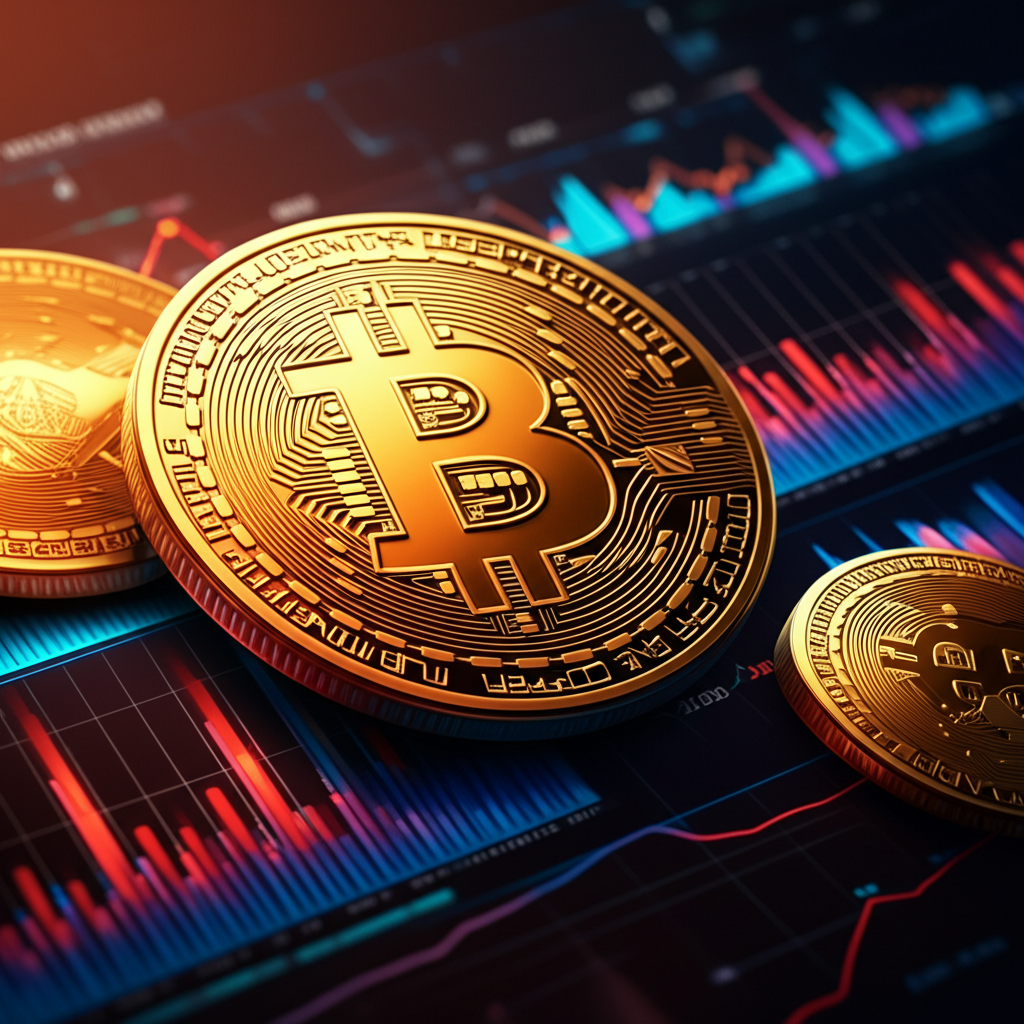
Navigating the complex world of cryptocurrency investment requires a keen understanding of macroeconomic trends and the unique characteristics of each digital asset. The question of whether to prioritize Bitcoin’s established position or explore alternative cryptocurrencies ("altcoins") hinges on your individual risk tolerance, investment goals, and belief in the future of blockchain technology. This article will delve into the Bitcoin macro outlook, compare it against alternative investment options within the crypto space, and provide a framework to help you make informed decisions.
TL;DR:
- Bitcoin’s Macro Stability: Bitcoin offers relative stability compared to altcoins, backed by its network effect and established brand.
- Altcoin Potential: Altcoins present higher growth potential but also increased risk and volatility.
- Diversification is Key: A balanced portfolio might include both Bitcoin and selected altcoins based on your risk appetite.
- Macro Factors Matter: Economic conditions like inflation, interest rates, and geopolitical events significantly impact crypto markets.
- Due Diligence is Crucial: Thorough research is essential before investing in any cryptocurrency.
- Long-Term Vision: Consider the long-term potential of blockchain technology and how different crypto assets align with future trends.
Understanding the Bitcoin Macro Outlook
Bitcoin, the first and most well-known cryptocurrency, has evolved from a niche technology to a globally recognized asset. Its macro outlook is shaped by several key factors:
- Store of Value Narrative: Many investors view Bitcoin as a digital gold, a hedge against inflation and currency devaluation. This narrative gains traction during periods of economic uncertainty, potentially driving demand.
- Network Effect: Bitcoin’s large and decentralized network provides a level of security and resilience unmatched by most altcoins. This network effect contributes to its stability and long-term viability.
- Institutional Adoption: Increased institutional interest, including investments from corporations and the introduction of Bitcoin ETFs, legitimizes Bitcoin and expands its accessibility.
- Regulatory Landscape: Evolving regulations surrounding cryptocurrency impact Bitcoin’s adoption and price. Clear and supportive regulations can foster growth, while restrictive policies can hinder it.
- Halving Events: Bitcoin’s halving events, which occur roughly every four years, reduce the rate at which new Bitcoins are created, potentially leading to supply shocks and price increases. The next halving event in 2024 could have significant implications for the market leading into 2025.
However, it’s crucial to acknowledge the risks:
- Volatility: While more stable than many altcoins, Bitcoin remains a volatile asset. Price swings can be significant and unpredictable.
- Competition: The emergence of new cryptocurrencies and blockchain technologies could challenge Bitcoin’s dominance in the long term.
- Security Risks: Despite its decentralized nature, Bitcoin is not immune to security breaches and theft.
- Energy Consumption: Bitcoin’s energy-intensive proof-of-work consensus mechanism raises environmental concerns and could attract regulatory scrutiny.
Exploring Alternatives: The Altcoin Landscape
The cryptocurrency market extends far beyond Bitcoin, encompassing thousands of altcoins with diverse functionalities and use cases. These alternatives present both opportunities and challenges for investors.
- Ethereum (ETH): As the second-largest cryptocurrency, Ethereum is a decentralized platform that enables the creation of smart contracts and decentralized applications (dApps). Its potential for growth in the DeFi (Decentralized Finance) and Web3 spaces is significant.
- Layer-2 Solutions: Projects like Polygon (MATIC) and Arbitrum aim to improve Ethereum’s scalability and reduce transaction fees. These solutions are crucial for the widespread adoption of dApps.
- DeFi Tokens: Tokens associated with DeFi platforms, such as Aave (AAVE) and Compound (COMP), offer opportunities to earn interest and participate in decentralized governance.
- Web3 Tokens: Projects focused on building a decentralized internet, such as Filecoin (FIL) and Chainlink (LINK), offer exposure to the emerging Web3 ecosystem.
- Meme Coins: Cryptocurrencies like Dogecoin (DOGE) and Shiba Inu (SHIB) gained popularity due to social media hype. While they can offer quick gains, they are highly speculative and carry significant risk.
Bitcoin vs. Altcoins: A Comparative Analysis
To make an informed decision, consider the following factors when comparing Bitcoin and altcoins:
| Feature | Bitcoin | Altcoins |
|---|---|---|
| Market Cap | Largest, most established | Varies widely, often smaller than Bitcoin |
| Volatility | Relatively lower compared to altcoins | Generally higher, greater potential for gains and losses |
| Use Case | Store of value, digital gold | Diverse, including DeFi, Web3, and specific applications |
| Risk Level | Lower risk compared to most altcoins | Higher risk, dependent on the project’s success |
| Adoption | Wider adoption, greater liquidity | Adoption varies, liquidity can be limited |
| Technology | Established, less prone to rapid changes | More innovative, faster development cycles |
Macroeconomic Factors Influencing Cryptocurrency
The broader economic environment significantly impacts the cryptocurrency market. Key factors to consider include:
- Inflation: Rising inflation can drive demand for Bitcoin as a hedge against currency devaluation. However, high inflation can also lead to tighter monetary policies, potentially impacting risk assets like cryptocurrencies.
- Interest Rates: Higher interest rates make traditional investments more attractive, potentially reducing demand for cryptocurrencies. Conversely, low interest rates can encourage investors to seek higher returns in alternative assets.
- Geopolitical Events: Global events such as wars, political instability, and regulatory changes can significantly impact cryptocurrency prices.
- Regulatory Environment: Clear and supportive regulations can foster growth, while restrictive policies can hinder adoption.
- Technological Advancements: Breakthroughs in blockchain technology and the emergence of new use cases can drive innovation and growth in the cryptocurrency market.
Building a Cryptocurrency Portfolio: A Balanced Approach
The optimal cryptocurrency portfolio depends on your individual risk tolerance, investment goals, and time horizon. A balanced approach might include:
- Bitcoin as a Foundation: Allocate a significant portion of your portfolio to Bitcoin for stability and long-term growth.
- Diversification with Altcoins: Invest in a selection of altcoins with strong fundamentals and promising use cases.
- Risk Management: Set stop-loss orders and manage your position sizes to mitigate potential losses.
- Long-Term Perspective: View cryptocurrency as a long-term investment and avoid making impulsive decisions based on short-term price fluctuations.
Risk Note: Investing in cryptocurrencies is inherently risky. Price volatility is high, and you could lose a significant portion of your investment. Before investing, carefully consider your financial situation and risk tolerance.
Disclaimer: This article is for informational purposes only and does not constitute financial advice. Consult with a qualified financial advisor before making any investment decisions.
FAQ: Navigating the Crypto Landscape
- Q: Is Bitcoin a good investment in 2024 leading into 2025?
- A: Bitcoin’s long-term potential remains strong, driven by its store-of-value narrative and increasing institutional adoption. However, its price is subject to volatility, and future returns are not guaranteed.
- Q: What are the key differences between Bitcoin and Ethereum?
- A: Bitcoin is primarily a store of value, while Ethereum is a platform for building decentralized applications. Ethereum offers more flexibility and functionality but also carries higher risk.
- Q: How do I choose the right altcoins to invest in?
- A: Research the project’s team, technology, use case, and community. Look for projects with strong fundamentals and a clear path to adoption.
- Q: What are the risks of investing in meme coins?
- A: Meme coins are highly speculative and driven by social media hype. They offer the potential for quick gains but also carry significant risk of losses.
- Q: How can I protect my cryptocurrency investments from theft?
- A: Use a hardware wallet to store your private keys offline. Enable two-factor authentication on all your cryptocurrency accounts. Be wary of phishing scams and never share your private keys with anyone.
- Q: What are the tax implications of investing in cryptocurrency?
- A: Cryptocurrency is generally treated as property for tax purposes. You may be subject to capital gains taxes on profits from trading or selling cryptocurrency. Consult with a tax professional for personalized advice.
Conclusion: Making Informed Choices in the Crypto Market
The decision of focusing on the Bitcoin Macro Outlook vs Alternatives: Which One to Choose? is highly personal and depends on your specific circumstances. Bitcoin offers relative stability and a well-established track record, while altcoins present opportunities for higher growth but also come with increased risk. Understanding the macroeconomic factors influencing the cryptocurrency market, conducting thorough research, and diversifying your portfolio are crucial for success. As we move towards 2025, the crypto landscape will undoubtedly continue to evolve, requiring investors to stay informed and adapt their strategies accordingly. Remember to always prioritize security and manage risk responsibly when investing in any digital asset.





 Roy Suryo

 Dokter Tifa

 Egi Sujana