
 Egi Sujana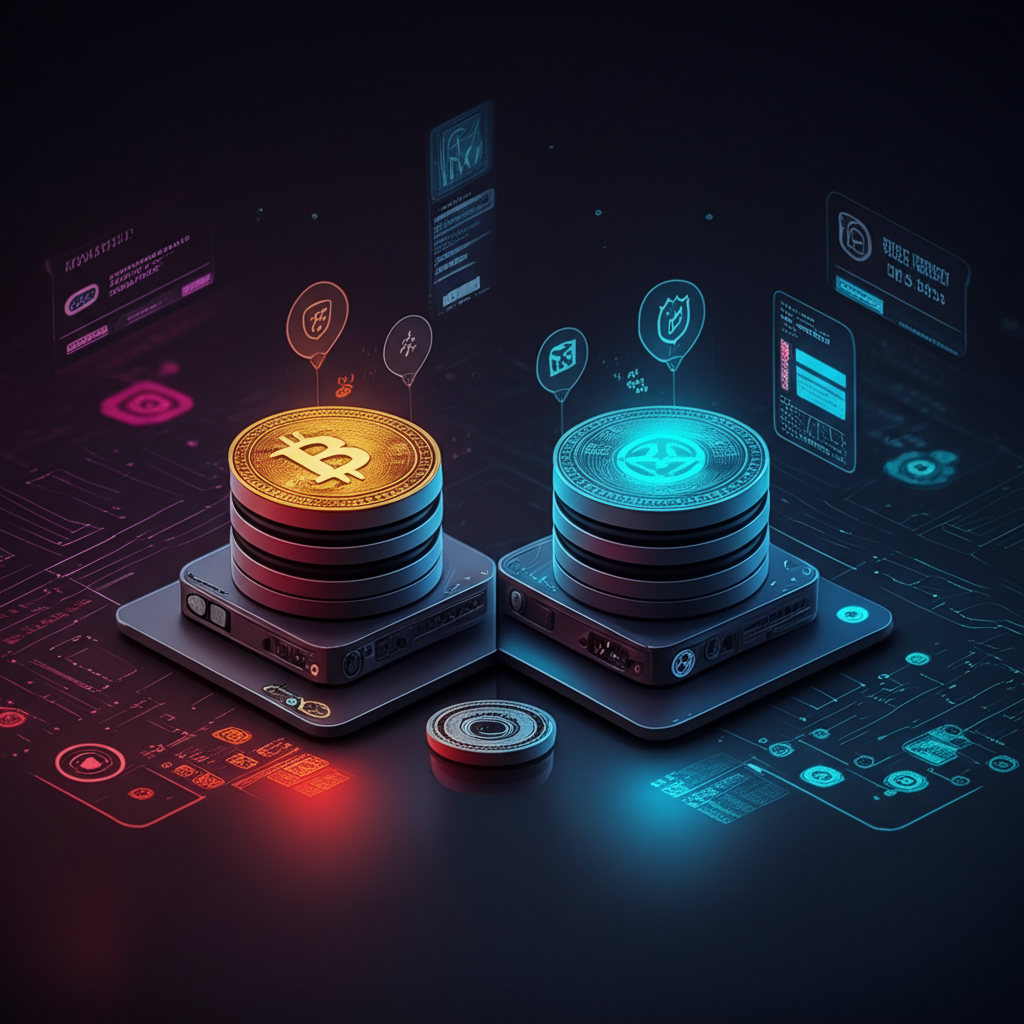
The landscape of digital assets is constantly evolving, with new tokens, protocols, and security challenges emerging at a rapid pace. As we look towards 2025, understanding the fundamental differences between cold wallets and hot wallets, especially in the context of managing ERC-20 and ERC-721 tokens, is paramount for anyone serious about the security of their crypto investments. This article delves into the critical security considerations, operational nuances, and strategic choices necessary to safeguard your digital assets in the coming years, ensuring you’re equipped with the knowledge for robust Web3 security.
TL;DR: Cold Wallets vs Hot Wallets for ERC-20/ERC-721 in 2025
- Hot Wallets: Connected to the internet, convenient for frequent trading and small amounts. Higher risk of online threats. Suitable for active DeFi participation and small ERC-20/ERC-721 transactions.
- Cold Wallets: Offline storage, maximum security for large holdings. Less convenient but nearly impervious to online attacks. Ideal for long-term HODLing of significant ERC-20 and high-value ERC-721 (NFTs).
- ERC-20 Tokens: Fungible, used for currency, utility, governance. Can be stored in both, but cold storage recommended for significant value.
- ERC-721 Tokens (NFTs): Non-fungible, unique digital assets. Cold wallets offer superior protection for high-value NFTs.
- 2025 Security Essentials: Emphasize multi-factor authentication (MFA), regular software/firmware updates, secure seed phrase management, and vigilance against phishing and malware for all wallet types.
- Strategy: A hybrid approach (hot for daily use, cold for savings) is often the most balanced and secure.
Understanding Digital Wallets: Hot vs. Cold
Digital wallets are essential tools for interacting with the blockchain, allowing users to store, send, and receive cryptocurrencies and tokens. They don’t technically "store" your assets but rather hold the private keys that grant access to your funds on the blockchain. The primary distinction lies in their connectivity to the internet.
What is a Hot Wallet?
A hot wallet is any cryptocurrency wallet that is connected to the internet. This includes exchange wallets, web wallets (like MetaMask), and mobile wallets. Their internet connectivity makes them highly convenient for frequent transactions, trading, and participation in decentralized finance (DeFi) protocols.
- Advantages of Hot Wallets:
- Convenience: Easy to set up and use for quick transactions.
- Accessibility: Funds can be accessed from anywhere with an internet connection.
- Integration: Often integrate seamlessly with DeFi platforms, DApps, and exchanges.
- Cost: Many are free to use.
- Disadvantages of Hot Wallets:
- Security Risk: Susceptible to online threats like hacking, phishing, and malware due to constant internet exposure.
- Custodial vs. Non-Custodial: Exchange wallets are often custodial (you don’t control the private keys), adding counterparty risk. Non-custodial hot wallets (like MetaMask) give you control but still face online threats.
What is a Cold Wallet?
A cold wallet, or hardware wallet, is a physical device that stores your private keys completely offline. These devices generate and store your private keys in an isolated, secure environment, meaning they are never exposed to the internet.
- Advantages of Cold Wallets:
- Maximum Security: Virtually impervious to online hacking attempts, malware, and phishing attacks.
- Control: You retain full control over your private keys.
- Backup: Most come with a seed phrase (recovery phrase) for restoring access in case the device is lost or damaged.
- Disadvantages of Cold Wallets:
- Less Convenient: Transactions require physical interaction with the device, making them slower for frequent use.
- Cost: Hardware wallets typically cost money.
- Loss Risk: If the physical device is lost or destroyed and the seed phrase isn’t securely backed up, assets can be permanently inaccessible.
ERC-20 and ERC-721 Tokens: A Brief Overview
To effectively manage your digital assets, it’s crucial to understand the types of tokens you’re holding. Both ERC-20 and ERC-721 are token standards on the Ethereum blockchain, but they serve different purposes.
- ERC-20 Tokens: These are fungible tokens, meaning each token is identical to another. Examples include stablecoins (USDT, USDC), utility tokens (LINK, UNI), and governance tokens. They are divisible and interchangeable, acting much like traditional currency.
- ERC-721 Tokens (NFTs): These are non-fungible tokens, meaning each token is unique and cannot be replaced by another. NFTs represent ownership of a unique item or piece of content, such as digital art, collectibles, gaming items, or virtual real estate.
Both ERC-20 and ERC-721 tokens can be stored in compatible hot and cold wallets, as long as the wallet supports the Ethereum blockchain and its token standards.
Cold Wallets vs Hot Wallets: Erc-20 Vs Erc-721 2025 Security Essentials
When it comes to securing your ERC-20 and ERC-721 tokens in 2025, the choice between hot and cold wallets isn’t about one being inherently "better" but rather about aligning the wallet type with your specific needs, risk tolerance, and the value of the assets.
Security for ERC-20 Tokens
ERC-20 tokens, being fungible, often represent liquid assets or utility within a platform.
- Hot Wallet Use Cases (ERC-20):
- Active Trading: For frequent buying, selling, and swapping on exchanges.
- DeFi Participation: Interacting with decentralized applications (DApps), lending protocols, or liquidity pools where small amounts are frequently moved.
- Small Holdings: Keeping small amounts for daily use or gas fees.
- Cold Wallet Use Cases (ERC-20):
- Long-Term Holdings: Securing significant amounts of ERC-20 tokens intended for long-term investment (HODLing).
- Wealth Preservation: Protecting substantial value from online threats.
- Inheritance Planning: Providing a secure, offline method for future access.
Security for ERC-721 Tokens (NFTs)
NFTs, by their unique and often high-value nature, require a more stringent approach to security. The loss of a single NFT can be devastating, especially for rare or iconic pieces.
- Hot Wallet Use Cases (ERC-721):
- Active NFT Trading: For individuals frequently listing, bidding, or minting NFTs on marketplaces.
- Gaming/Metaverse Interaction: NFTs used within games or metaverse platforms that require constant online interaction.
- Low-Value NFTs: Storing less valuable or temporary NFTs.
- Cold Wallet Use Cases (ERC-721):
- High-Value NFTs: Absolutely essential for securing expensive digital art, rare collectibles, or significant metaverse land plots.
- Long-Term NFT Collection: For collectors who wish to hold their NFTs for extended periods without frequent interaction.
- Portfolio Diversification: Adding an extra layer of security to a diverse portfolio that includes high-value NFTs.
2025 Security Essentials Across Wallet Types
Regardless of whether you choose a hot or cold wallet, certain security practices are non-negotiable for 2025:
- Multi-Factor Authentication (MFA): Always enable MFA on any exchange or service that holds your digital assets or links to your wallets.
- Software and Firmware Updates: Regularly update your hot wallet applications and cold wallet firmware. These updates often contain critical security patches.
- Secure Seed Phrase Management: Your seed phrase is the master key. Write it down physically, store it in multiple secure, offline locations (e.g., a fireproof safe, safety deposit box), and never store it digitally or share it with anyone.
- Beware of Phishing and Scams: Scammers are increasingly sophisticated. Verify URLs, avoid clicking suspicious links, and never share private keys or seed phrases.
- Malware Protection: Use reputable antivirus software and be cautious about downloading files from unknown sources, especially on devices used for crypto transactions.
- Transaction Verification: Always double-check recipient addresses for ERC-20 transfers and verify contract addresses for ERC-721 interactions before confirming any transaction.
- Isolate High-Value Assets: For significant holdings of either token type, isolate them in dedicated cold storage.
Choosing the Right Wallet Strategy for 2025
For most users, a hybrid approach offers the best balance of security and convenience for their digital assets:
- The "Spending Account" (Hot Wallet): Keep a small, manageable amount of ERC-20 tokens in a non-custodial hot wallet (like MetaMask) for daily transactions, active DeFi participation, or occasional NFT trades. Treat it like a checking account.
- The "Savings Account" (Cold Wallet): Store the majority of your valuable ERC-20 tokens and all high-value ERC-721 NFTs in one or more cold wallets. This acts as your secure savings.
This strategy minimizes exposure to online threats while maintaining accessibility for necessary interactions.
Advanced Security Considerations for Your Digital Assets
- Hardware Wallet Authenticity: Purchase hardware wallets directly from the manufacturer or authorized resellers to avoid counterfeit devices.
- Multiple Hardware Wallets: For extremely large portfolios, consider distributing assets across multiple hardware wallets.
- Passphrases (25th Word): Some hardware wallets offer an optional passphrase (often called a 25th word) that adds another layer of security, creating a hidden wallet.
- Understanding Smart Contract Risks: When interacting with DeFi or NFT platforms, understand that smart contract vulnerabilities can exist. Research protocols thoroughly before committing funds or NFTs.
- Regular Audits: For large institutional or high-net-worth individual holdings, consider professional security audits of your digital asset management practices.
Risk Notes & Disclaimer:
Investing in cryptocurrencies and digital assets carries significant risk, including the potential loss of principal. The market is highly volatile, and prices can fluctuate wildly. The information provided in this article is for educational purposes only and should not be considered financial, investment, or security advice. Always conduct your own thorough research (DYOR) and consult with a qualified financial professional before making any investment decisions. We do not endorse any specific wallet provider or service.
FAQ Section
Q1: Which wallet is safer for my high-value NFTs: hot or cold?
A1: A cold wallet (hardware wallet) is unequivocally safer for high-value ERC-721 NFTs. Its offline nature provides superior protection against online threats like hacking and malware, which are prevalent risks for hot wallets.
Q2: Can I store both ERC-20 and ERC-721 tokens in the same cold wallet?
A2: Yes, most modern cold wallets are designed to support a wide range of cryptocurrencies and tokens on the Ethereum blockchain, including both ERC-20 and ERC-721 standards. Always check your specific hardware wallet’s compatibility list.
Q3: How often should I update my cold wallet’s firmware in 2025?
A3: You should update your cold wallet’s firmware whenever the manufacturer releases a new version. These updates often include critical security patches, bug fixes, and new feature support. Always follow the manufacturer’s official update instructions carefully.
Q4: What’s the biggest risk with hot wallets for ERC-20 tokens?
A4: The biggest risk for hot wallets is their constant internet connectivity, making them vulnerable to online attacks such as phishing scams, malware infections that can steal private keys, and direct hacks if the platform itself is compromised (for custodial wallets).
Q5: Is it possible to lose my crypto if my cold wallet device breaks or is lost?
A5: Not necessarily. If you have securely backed up your seed phrase (recovery phrase) and stored it offline, you can restore access to your funds on a new compatible hardware wallet or even a software wallet. Losing the device without a valid seed phrase, however, means permanent loss of assets.
Q6: What role does "2025" play in digital asset security?
A6: 2025 emphasizes the ongoing evolution of cybersecurity threats and the need for proactive security measures. As the Web3 ecosystem matures, so do the sophistication of attacks, making continuous vigilance, updated knowledge, and robust wallet strategies more critical than ever for safeguarding digital assets.
Conclusion
Navigating the complexities of digital asset security in 2025 requires a nuanced understanding of Cold Wallets vs Hot Wallets: Erc-20 Vs Erc-721 2025 Security Essentials. While hot wallets offer unmatched convenience for active trading and DeFi engagement, cold wallets provide the ultimate sanctuary for your most valuable ERC-20 tokens and prized ERC-721 NFTs. By adopting a strategic hybrid approach, staying vigilant against emerging threats, and adhering to best practices like secure seed phrase management and regular updates, you can significantly bolster the security of your crypto portfolio and confidently participate in the evolving Web3 economy. Remember, personal responsibility is the cornerstone of digital asset security.




 Roy Suryo

 Rismon Sianipar
 Dokter Tifa
