
 Gus Nur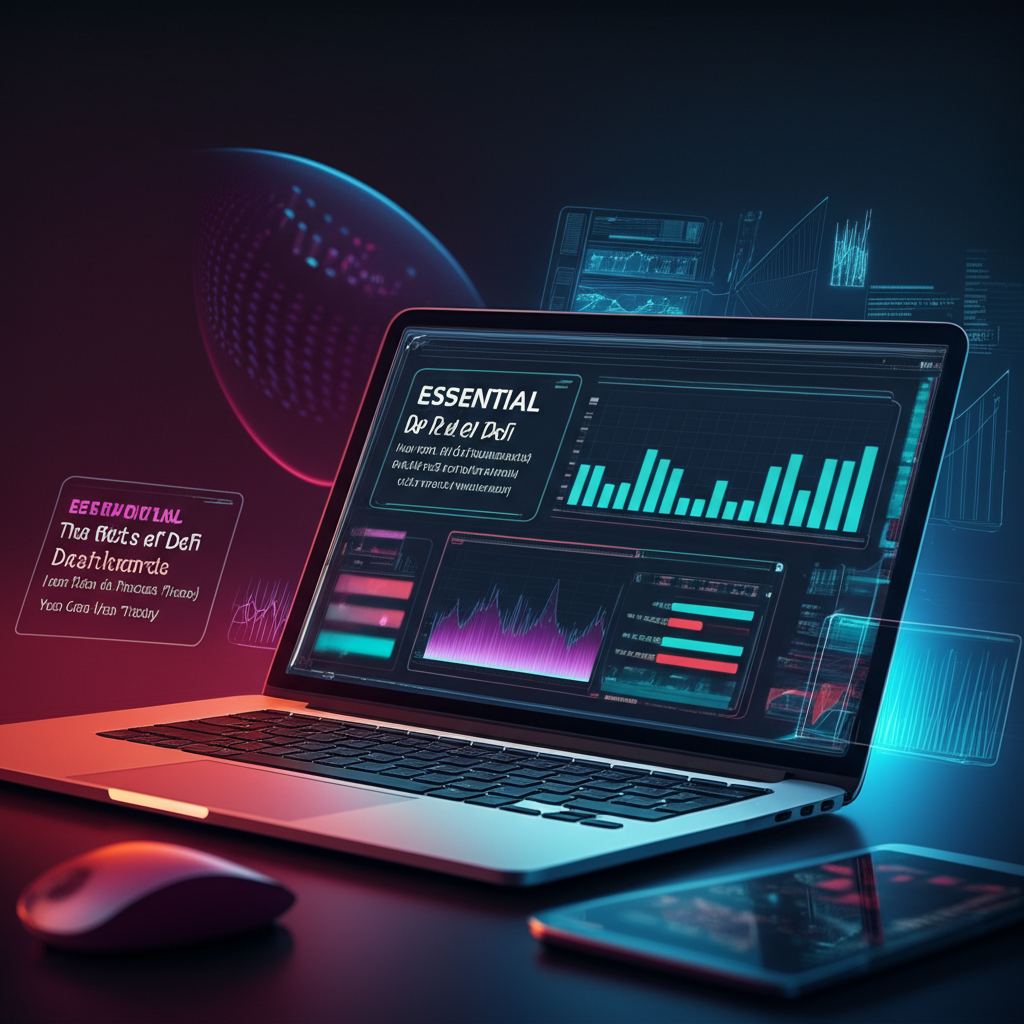
DeFi (Decentralized Finance) dashboards have emerged as indispensable tools for managing and monitoring digital assets across various protocols, offering users a consolidated view of their crypto holdings, staked tokens, liquidity positions, and more. While these platforms democratize access to complex financial instruments, they also introduce a unique set of vulnerabilities. Understanding Essential The Risks of Defi Dashboards (and How to Reduce Them) With Layer-2 Networks You Can Use Today is crucial for anyone navigating the Web3 landscape. This article will delve into the inherent dangers and explore how the adoption of Layer-2 networks can significantly mitigate these challenges, empowering users with greater security and efficiency in their DeFi journey.
TL;DR
- DeFi dashboards offer convenience but come with significant risks, including smart contract vulnerabilities, data inaccuracies, phishing, and impermanent loss.
- Layer-2 networks like Arbitrum, Optimism, zkSync, and Polygon address core issues such as high transaction fees and network congestion on Layer-1s.
- By reducing costs and increasing transaction speed, Layer-2s indirectly mitigate risks like front-running and improve the overall user experience.
- Users must practice robust personal security (e.g., hardware wallets, scrutinizing URLs) and understand the specific risks of each protocol.
- Integrating Layer-2 solutions into your DeFi dashboard usage is a key strategy for enhanced security and efficiency in 2025 and beyond.
Understanding DeFi Dashboards and Their Inherent Utility
DeFi dashboards serve as a user-friendly interface to the often-complex world of decentralized finance. They aggregate data from numerous decentralized applications (dApps) and protocols, presenting users with a holistic overview of their portfolio performance, open positions, and potential rewards. Instead of manually checking each individual protocol (e.g., Aave, Compound, Uniswap), a dashboard like Zapper, DeBank, or Ape Board allows users to connect their crypto wallet and instantly visualize their entire digital asset footprint. This utility is invaluable for active participants in the DeFi ecosystem, simplifying portfolio management and decision-making.
Essential The Risks of Defi Dashboards and Digital Assets
While offering unparalleled convenience, interacting with DeFi dashboards and the underlying protocols carries significant risks that users must be aware of. These are not just theoretical; many have resulted in substantial losses for individuals and projects.
Smart Contract Vulnerabilities
The foundation of any DeFi protocol is its smart contract code. If these contracts contain bugs, exploits, or logical flaws, malicious actors can drain funds, manipulate protocol mechanics, or otherwise compromise the system. Even reputable projects can fall victim to sophisticated attacks. When a DeFi dashboard interacts with such a compromised protocol, users’ digital assets are indirectly exposed.
Data Accuracy and Latency Issues
DeFi dashboards rely on data feeds from various blockchain networks and APIs. Inaccurate or delayed data can lead to poor decision-making. For instance, a dashboard might display an outdated price for a token, causing a user to execute a trade at a disadvantageous rate, or misrepresent the value of a liquidity pool position, leading to incorrect calculations of impermanent loss. Oracle manipulation, where external data feeds are corrupted, also poses a significant threat, affecting asset prices and liquidation thresholds.
Phishing and UI/UX Vulnerabilities
Phishing scams are rampant in the crypto space. Malicious actors create fake websites that mimic legitimate DeFi dashboards or protocols, tricking users into connecting their wallets and approving transactions that drain their funds. Furthermore, even legitimate dashboards can have user interface (UI) or user experience (UX) vulnerabilities that might confuse users into approving unintended transactions. The "blind signing" of transactions without fully understanding their implications is a common pitfall.
Impermanent Loss in Liquidity Provision
For users providing liquidity to decentralized exchanges (DEXs) through dashboards, impermanent loss remains a crucial risk. This occurs when the price ratio of tokens in a liquidity pool changes after you deposit them, leading to a temporary loss compared to simply holding the assets. While not a direct dashboard risk, dashboards display these positions and can lead users to misinterpret their actual returns or risks if not clearly presented.
Rug Pulls and Exit Scams
When a DeFi dashboard connects to or showcases nascent or unaudited protocols, users are exposed to the risk of "rug pulls." This is where developers suddenly abandon a project, withdrawing all liquidity and leaving investors with worthless tokens. Dashboards can inadvertently lend credibility to such projects by listing them, making due diligence on the user’s part absolutely critical.
Network Congestion and High Transaction Fees (Gas Wars)
On congested Layer-1 blockchains like Ethereum, high transaction fees (gas) and slow confirmation times can create several problems. During peak activity, users might pay exorbitant fees only for their transactions to fail, losing the gas fee. High gas costs can also make it uneconomical to manage smaller positions, rebalance portfolios, or exit risky positions quickly, effectively trapping digital assets. This environment also facilitates front-running, where malicious actors pay higher gas fees to execute their transactions before yours, profiting from your pending trades.
How Layer-2 Networks Can Reduce These Risks
Layer-2 networks are a class of scaling solutions built on top of a Layer-1 blockchain (like Ethereum) to improve its performance. They process transactions off the main chain, bundling them together and submitting a single proof back to the Layer-1, drastically reducing fees and increasing transaction throughput. Several prominent Layer-2 networks are widely used today, including Arbitrum, Optimism, zkSync, and Polygon.
Reducing Transaction Costs and Congestion
The primary benefit of Layer-2s is their ability to reduce transaction fees and increase speed. This directly mitigates risks associated with network congestion:
- Less Front-Running: With lower and more predictable gas fees, the incentive and profitability of front-running attacks diminish significantly.
- Faster Exits: Users can react more quickly to market changes or emerging risks by exiting positions without being penalized by high gas fees or network delays. This is particularly vital in volatile markets or during a potential exploit.
- Economical Portfolio Management: Rebalancing, adding to, or reducing smaller positions becomes financially viable, allowing for more proactive risk management.
Enhanced Security Models (in some cases)
While Layer-2s don’t inherently prevent smart contract bugs, they often operate with their own security mechanisms that can enhance the overall ecosystem:
- Optimistic Rollups (Arbitrum, Optimism): These assume transactions are valid but allow a challenge period. This provides a safety net where fraudulent transactions can be identified and reverted.
- ZK-Rollups (zkSync): These use cryptographic proofs (zero-knowledge proofs) to prove the validity of off-chain transactions. This offers a higher degree of immediate security and finality, as the validity is cryptographically guaranteed.
Broader Access and Decentralization
By making DeFi more accessible and affordable, Layer-2s foster a larger, more diverse user base. This increased participation can lead to a more robust and decentralized ecosystem over time, reducing reliance on a few large players and theoretically improving overall network resilience. Many DeFi dashboards now natively support multiple Layer-2 networks, making it easier for users to manage assets across these different environments.
Practical Strategies to Reduce DeFi Dashboard Risks Today
Beyond the benefits of Layer-2 networks, individual users must adopt best practices to protect their digital assets.
Robust Personal Security Measures
- Hardware Wallets: Always use a hardware wallet (e.g., Ledger, Trezor) for storing significant crypto assets and approving transactions. They provide the strongest defense against phishing and malware.
- Verify URLs: Double-check the URL of any DeFi dashboard or protocol you interact with. Bookmark legitimate sites and avoid clicking on links from unsolicited emails or social media.
- Smart Contract Audit Reports: Before interacting with a new protocol, check if its smart contracts have been audited by reputable firms. While not foolproof, it adds a layer of security.
- Revoke Permissions: Regularly review and revoke unnecessary smart contract approvals, especially for protocols you no longer use. Tools like Revoke.cash can help with this.
Informed Decision-Making
- Understand Protocol Mechanics: Before investing in any DeFi protocol, thoroughly understand how it works, its associated risks (e.g., impermanent loss, liquidation thresholds), and its tokenomics.
- Start Small: When exploring new protocols or strategies, begin with small amounts to test the waters before committing significant capital.
- Diversify: Don’t put all your digital assets into a single protocol or strategy. Diversification helps spread risk.
- Stay Updated: The DeFi space evolves rapidly. Keep abreast of security alerts, project updates, and best practices.
Leveraging Layer-2 Networks with Your Dashboard
- Bridge Assets Safely: Use official bridges provided by Layer-2 projects or reputable third-party services to transfer your assets from Layer-1 to Layer-2.
- Confirm Dashboard L2 Support: Ensure your chosen DeFi dashboard fully supports the Layer-2 networks you are using. This will ensure accurate data display and seamless interaction.
- Explore L2-Native Protocols: Many innovative DeFi protocols are now deploying directly on Layer-2s, offering efficient and cost-effective services.
Risk Note: While Layer-2s significantly reduce certain risks, they do not eliminate all of them. Smart contract bugs can still occur on Layer-2 protocols, and bridging assets between layers introduces an additional point of potential failure if the bridge itself is compromised. Always exercise caution.
FAQ Section
Q1: What is the biggest risk when using DeFi dashboards?
A1: The biggest risks are smart contract vulnerabilities in the underlying protocols and phishing attacks targeting users through fake dashboard websites. Both can lead to direct loss of funds.
Q2: How do Layer-2 networks like Arbitrum or Optimism specifically help with DeFi security?
A2: They reduce transaction costs and increase speed, which lessens the impact of front-running, allows for faster reactions to market changes (e.g., exiting positions), and makes active portfolio management more economical. Their inherent security models (e.g., fraud proofs in optimistic rollups, validity proofs in ZK-rollups) also add layers of protection.
Q3: Can a DeFi dashboard steal my funds?
A3: A legitimate DeFi dashboard, by itself, cannot directly steal your funds as it doesn’t hold your private keys. However, a malicious fake dashboard (phishing site) can trick you into approving transactions that drain your wallet. Always verify the URL.
Q4: Is it safe to bridge my tokens to a Layer-2 network?
A4: Bridging tokens involves smart contract interaction and carries its own risks. It’s generally safe to use official bridges provided by the Layer-2 project or well-vetted third-party services. Always ensure you are using the correct bridge for your assets and network.
Q5: What should I look for in a DeFi dashboard to ensure it’s reputable?
A5: Look for dashboards with a strong track record, positive community reviews, transparent team information, support for a wide range of reputable protocols, and clear explanations of how they source data. Ensure they explicitly state their support for the Layer-2 networks you use.
Q6: Will DeFi dashboards be more secure by 2025?
A6: The DeFi ecosystem is continuously improving. By 2025, with increasing adoption of Layer-2 networks, enhanced smart contract auditing tools, and growing user awareness, the overall security posture of interacting with DeFi dashboards is expected to be significantly better, though vigilance will always be required.
Conclusion
DeFi dashboards offer an invaluable gateway to the decentralized financial world, but they are not without their perils. From smart contract exploits and data inaccuracies to phishing scams and the persistent threat of high gas fees, users face a multifaceted risk landscape. However, the rapid evolution of Layer-2 networks provides powerful tools to mitigate many of these challenges. By reducing transaction costs, enhancing speed, and introducing advanced security models, Layer-2s like Arbitrum, Optimism, zkSync, and Polygon are revolutionizing how users interact with their digital assets. Understanding Essential The Risks of Defi Dashboards (and How to Reduce Them) With Layer-2 Networks You Can Use Today is paramount. By combining the power of these scaling solutions with diligent personal security practices and informed decision-making, users can navigate the DeFi space with greater confidence and efficiency, ensuring a more secure and accessible Web3 experience in the years to come.
Disclaimer: This article is for informational purposes only and does not constitute financial advice. The cryptocurrency and DeFi markets are highly volatile and speculative. Always conduct your own research and consult with a qualified financial professional before making any investment decisions. The author is not responsible for any financial gains or losses incurred from following the information provided herein.





 Roy Suryo

 Rismon Sianipar
 Dokter Tifa

 Egi Sujana