
 Egi Sujana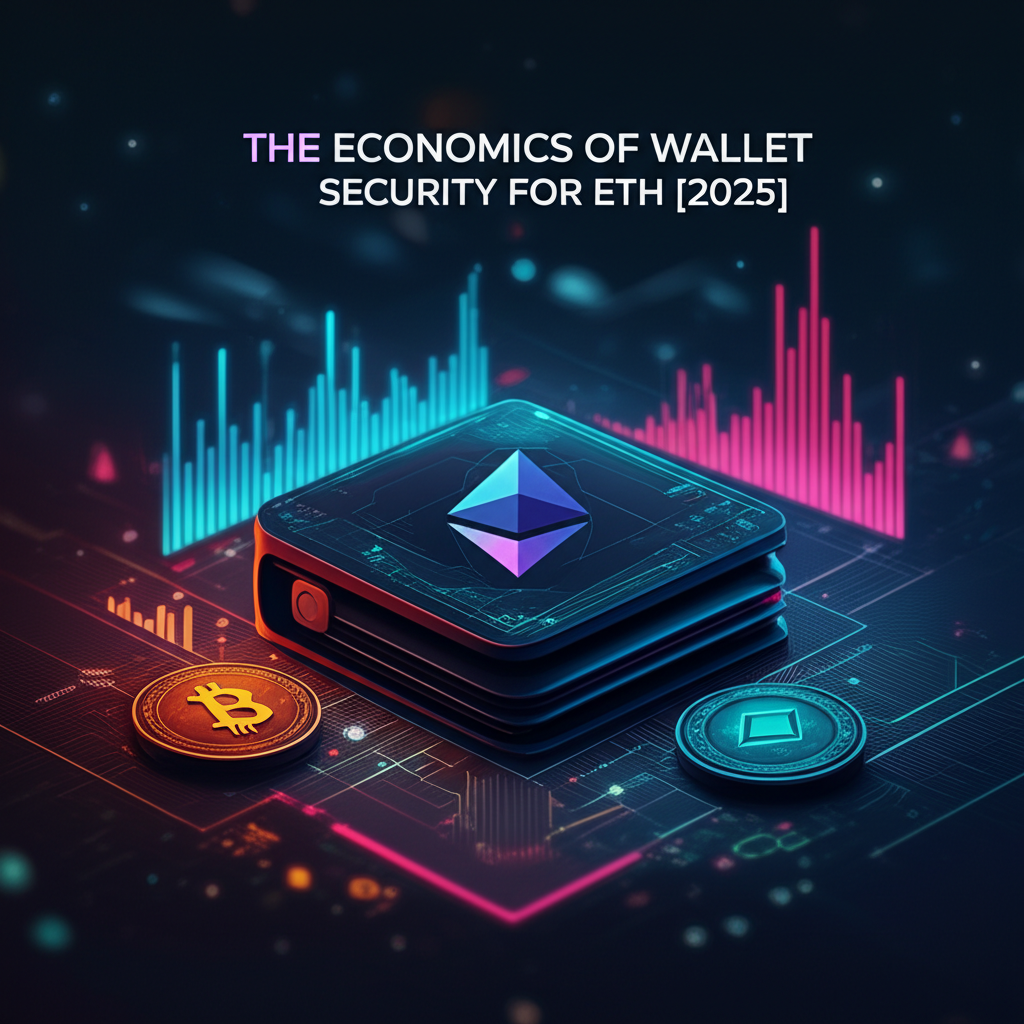
In the rapidly evolving landscape of digital finance, securing your Ethereum (Eth) assets is not merely a technical concern—it’s a critical economic decision. As we look towards 2025, the value proposition of Eth continues to mature, attracting both sophisticated investors and new entrants to the crypto space. This heightened interest, however, comes with an amplified risk profile from increasingly cunning cyber threats. Understanding the economic implications of wallet security for Eth is paramount, as proactive security measures directly translate into asset protection, sustained trust, and mitigated financial loss. This article delves into the cost-benefit analysis of various security solutions, offering insights into how to make informed choices for safeguarding your digital wealth in the coming years.
TL;DR
- Economic Imperative: Wallet security for Eth in 2025 is an economic decision, balancing security costs against potential loss.
- Rising Stakes: Eth’s increasing value and evolving cyber threats necessitate robust protection.
- Wallet Types: Different wallets (software, hardware, multisig, smart contract) offer varying security levels and economic trade-offs.
- Cost-Benefit: Hardware wallets offer high security for a premium, while software wallets prioritize accessibility but carry higher inherent risks. Multisig and smart contract wallets provide advanced, programmable security, often at the cost of complexity.
- Best Practices: Diversification, offline backups, strong passwords, 2FA, and continuous education are crucial for safeguarding assets.
- Risk Mitigation: Proactive security investments are cheaper than recovering from a hack.
Understanding the Economic Imperative of Ethereum Wallet Security
The burgeoning ecosystem of Web3, powered significantly by the Ethereum blockchain, has transformed how we perceive and manage value. With Eth serving as the foundational currency for countless decentralized applications (dApps), non-fungible tokens (NFTs), and DeFi protocols, its economic significance cannot be overstated. By 2025, the projected expansion of the Ethereum network means that the financial stakes tied to individual wallets will be higher than ever. Consequently, the economics of wallet security for Eth moves beyond simple technical safeguarding to encompass a comprehensive assessment of risk, investment, and potential return.
The fundamental economic imperative is simple: the cost of robust security measures, while seemingly an expense, is significantly less than the potential cost of losing your digital assets. This "cost of insecurity" includes not only the direct loss of Eth and other tokens but also the opportunity cost of inaccessible funds, the emotional toll of a breach, and the erosion of trust in the broader crypto community. As the value of crypto assets continues to fluctuate, securing these digital assets becomes a non-negotiable aspect of sound financial management.
The Rising Stakes: Eth Value and Cyber Threats in 2025
The trajectory of Eth’s value, driven by network upgrades, increased adoption, and a thriving DeFi sector, suggests a continued upward trend towards 2025. This appreciation makes individual Eth holdings more attractive targets for malicious actors. Simultaneously, the sophistication of cyber threats is escalating. Phishing attacks are becoming more convincing, malware is more insidious, and exploits targeting smart contracts and supply chains are constantly evolving.
For individuals and institutions holding substantial amounts of Eth, these rising stakes underscore the urgent need for top-tier security. A single successful breach can wipe out years of investment, highlighting that security is not a one-time setup but an ongoing commitment to protect against dynamic threats. The financial impact of such threats extends beyond direct theft, potentially disrupting trading strategies, market liquidity, and the overall stability of the crypto investment portfolio.
The Cost-Benefit Analysis of Different Wallet Security Solutions
Choosing the right wallet security solution involves a careful evaluation of features, convenience, and, crucially, cost versus the level of protection offered. There is no one-size-fits-all answer; the optimal choice depends on an individual’s holdings, risk tolerance, and technical proficiency.
Software Wallets (Hot Wallets): Accessibility vs. Risk
Software wallets, often referred to as "hot wallets," are applications that run on internet-connected devices like computers or smartphones. Examples include MetaMask, Trust Wallet, and various exchange-hosted wallets.
- Economic Cost: Typically free to download and use, with transaction fees (gas) being the primary ongoing cost. This low entry barrier makes them highly accessible.
- Security Features: Rely on passwords, seed phrases, and sometimes two-factor authentication (2FA). Keys are stored digitally on an internet-connected device.
- Benefits: High convenience for frequent trading, interacting with DeFi protocols, and managing smaller amounts of Eth.
- Risks: Inherently vulnerable to online threats such as malware, phishing attacks, and operating system vulnerabilities. If the device is compromised, private keys can be stolen, leading to complete loss of funds. Exchange-hosted wallets add the risk of centralized platform breaches.
- Economic Implication: While free, the potential for total loss of assets due to a hack represents a significant economic risk, making them suitable primarily for smaller, actively used amounts of Eth.
Hardware Wallets (Cold Wallets): Premium Security for Digital Assets
Hardware wallets are physical devices designed to store private keys offline, completely isolated from internet-connected computers. Popular examples include Ledger and Trezor.
- Economic Cost: Requires an upfront purchase fee, typically ranging from $50 to $200. This is an investment in enhanced security.
- Security Features: Private keys never leave the device, even during transaction signing. Transactions are confirmed physically on the device screen. PIN protection, passphrase support, and secure elements provide robust protection.
- Benefits: Offers the highest level of security against online threats like malware and phishing, making them ideal for long-term storage of significant Eth holdings and other tokens.
- Risks: Physical loss or damage to the device, or loss of the recovery seed phrase, can lead to inaccessibility of funds. However, funds are generally recoverable with the seed phrase on a new device. Supply chain attacks (tampering during manufacturing/shipping) are rare but a potential concern.
- Economic Implication: The initial investment provides significantly reduced risk of online theft, offering peace of mind and protecting substantial digital assets. For any serious investor in crypto, the cost is easily justified by the enhanced security.
Multi-Signature (Multisig) Wallets: Shared Control and Enhanced Protection
Multisig wallets require multiple approvals (signatures) from different private keys to authorize a transaction. For example, a "2-of-3" multisig wallet needs at least two out of three designated private keys to sign a transaction.
- Economic Cost: Can be more complex and costly to set up due to the coordination required among multiple signers. Transaction fees might be slightly higher due to increased complexity.
- Security Features: Eliminates single points of failure. Even if one key is compromised, funds remain secure. Ideal for organizational treasuries, joint accounts, or individuals seeking extreme redundancy.
- Benefits: Exceptional security against internal fraud (collusion required) and external hacks (multiple attack vectors needed).
- Risks: Increased operational complexity, potential for "signer deadlock" if signers are unavailable or keys are lost.
- Economic Implication: While more demanding, multisig wallets provide a robust economic solution for protecting large collective funds or ensuring business continuity, where the cost of setup is outweighed by the reduced risk of catastrophic loss.
Smart Contract Wallets: Programmable Security Features
Smart contract wallets, such as those provided by Argent or Safe (formerly Gnosis Safe), are accounts controlled by a smart contract on the Ethereum blockchain, rather-than directly by a private key. This allows for advanced, programmable security features.
- Economic Cost: Potentially higher gas fees for complex operations or recovery processes. Initial setup might involve smart contract deployment costs.
- Security Features: Can include social recovery mechanisms (trusted friends/devices can help regain access), daily spending limits, whitelisted addresses, time locks, and upgradeability.
- Benefits: Offers unparalleled flexibility and customization for security rules, potentially reducing reliance on a single seed phrase.
- Risks: Vulnerability to smart contract bugs or exploits if the contract code is not thoroughly audited.
- Economic Implication: These wallets offer a sophisticated layer of programmable security, allowing users to tailor risk management strategies. The added flexibility and recovery options can be economically valuable by preventing asset loss from lost seed phrases or mitigating theft via spending limits. However, the reliance on smart contract integrity introduces a new vector of risk that must be carefully considered.
Best Practices for Economically Sound Eth Wallet Security in 2025
Beyond choosing the right wallet type, implementing a suite of best practices is essential for economically sound Eth wallet security.
- Diversify Your Holdings: Do not put all your Eth into a single wallet. Distribute assets across different wallet types (e.g., a hardware wallet for long-term savings, a software wallet for active DeFi participation).
- Secure Seed Phrases Offline: Your recovery seed phrase is the master key. Store it physically, offline (e.g., metal plate, encrypted USB in a safe), and in multiple secure locations. Never store it digitally or share it.
- Use Strong, Unique Passwords and 2FA: For any online wallet or exchange account, use complex, unique passwords and enable two-factor authentication (preferably hardware-based like YubiKey or authenticator apps, not SMS).
- Be Wary of Phishing and Social Engineering: Always double-check URLs, sender addresses, and requests for information. Assume every unsolicited communication is a scam attempt. Verify transaction details carefully before approving.
- Keep Software Updated: Regularly update your wallet software, operating systems, and antivirus programs to patch known vulnerabilities.
- Audit Smart Contracts (for DeFi users): Before interacting with new DeFi protocols or dApps, research their security audits and community reputation. Malicious smart contracts can drain your wallet.
- Understand Transaction Details: Never sign a transaction without fully understanding what it does. Be especially cautious of requests for "infinite approvals" for tokens.
- Consider Crypto Insurance: While still nascent, some providers offer insurance for crypto holdings against specific types of hacks or platform failures. Evaluate the cost-effectiveness and coverage carefully.
- Continuous Education: The crypto security landscape evolves rapidly. Stay informed about new threats, best practices, and technological advancements.
Risk Notes: Investing in cryptocurrencies and digital assets involves significant risks, including but not limited to market volatility, regulatory changes, and technological vulnerabilities. The value of your Eth can go down as well as up. You could lose some or all of your investment.
Disclaimer: This article is for informational purposes only and does not constitute financial, investment, or legal advice. Always conduct your own research and consult with a qualified professional before making any investment decisions. The information provided is accurate to the best of our knowledge as of the publication date and should not be considered a guarantee for future performance or security.
FAQ Section
Q1: Why is wallet security so critical for Eth from an economic perspective?
A1: Wallet security for Eth is critical economically because Eth holdings represent tangible value. A security breach can lead to irreversible loss of assets, directly impacting your financial well-being. Proactive investment in security is an economic decision to protect your capital and avoid the much higher "cost of insecurity" (asset loss, recovery efforts, lost opportunities).
Q2: What’s the main economic difference between hot and cold wallets?
A2: The main economic difference lies in the cost-risk trade-off. Hot wallets (software) are typically free but carry higher inherent risks of online theft, making them economically suitable for smaller, active amounts. Cold wallets (hardware) require an upfront purchase fee but offer superior offline security, providing an economically sound investment for protecting larger, long-term Eth holdings against cyber threats.
Q3: Are hardware wallets truly worth the cost for small Eth holders in 2025?
A3: Even for small Eth holders, hardware wallets can be a worthwhile investment. As Eth’s value potentially grows by 2025, a "small" holding today could become significant tomorrow. The one-time cost of a hardware wallet is a relatively minor expense compared to the potential loss of any amount of Eth, offering peace of mind and robust protection for your digital assets.
Q4: How do smart contract wallets economically compare to traditional wallets?
A4: Smart contract wallets offer advanced, programmable security features like social recovery and spending limits. Economically, they might incur higher transaction (gas) fees due to their complexity and potential smart contract audit costs. However, these features can prevent asset loss from common issues like lost seed phrases or large-scale theft, potentially offering a net economic benefit by mitigating high-impact risks, provided the underlying smart contract is secure.
Q5: What emerging security trends should Eth holders watch for in 2025?
A5: Eth holders in 2025 should watch for advancements in account abstraction (making wallets more user-friendly and secure), multi-party computation (MPC) wallets, and increased focus on zero-knowledge proofs for privacy and security. Additionally, the evolution of regulatory frameworks and their impact on wallet providers will be important. Staying informed about these trends can help in adopting next-generation security solutions.
Q6: Can I insure my Eth against wallet hacks, and is it economically viable?
A6: While the market for crypto insurance is growing, it’s still relatively niche compared to traditional finance. Some providers offer coverage for specific types of hacks or platform failures, particularly for institutional clients or centralized exchanges. For individual Eth holders, assessing the economic viability involves comparing the premium cost against the potential payout, the specific risks covered, and your personal risk tolerance. Always read the policy details carefully.
Conclusion
The journey into 2025 underscores that robust wallet security for Eth is not an option but an economic necessity. As the Ethereum ecosystem expands and the value of digital assets grows, the financial consequences of a security lapse become increasingly severe. From the foundational choice between hot and cold wallets to the sophisticated features of multisig and smart contract solutions, every decision carries an economic weight, balancing cost, convenience, and risk mitigation. By understanding these dynamics and implementing best practices, individuals and institutions can effectively safeguard their investments, ensuring that their participation in the digital economy is both prosperous and secure. The proactive management of The Economics of Wallet Security For Eth will ultimately define success in this exciting, yet challenging, financial frontier.





 Roy Suryo

 Rismon Sianipar
 Dokter Tifa
